
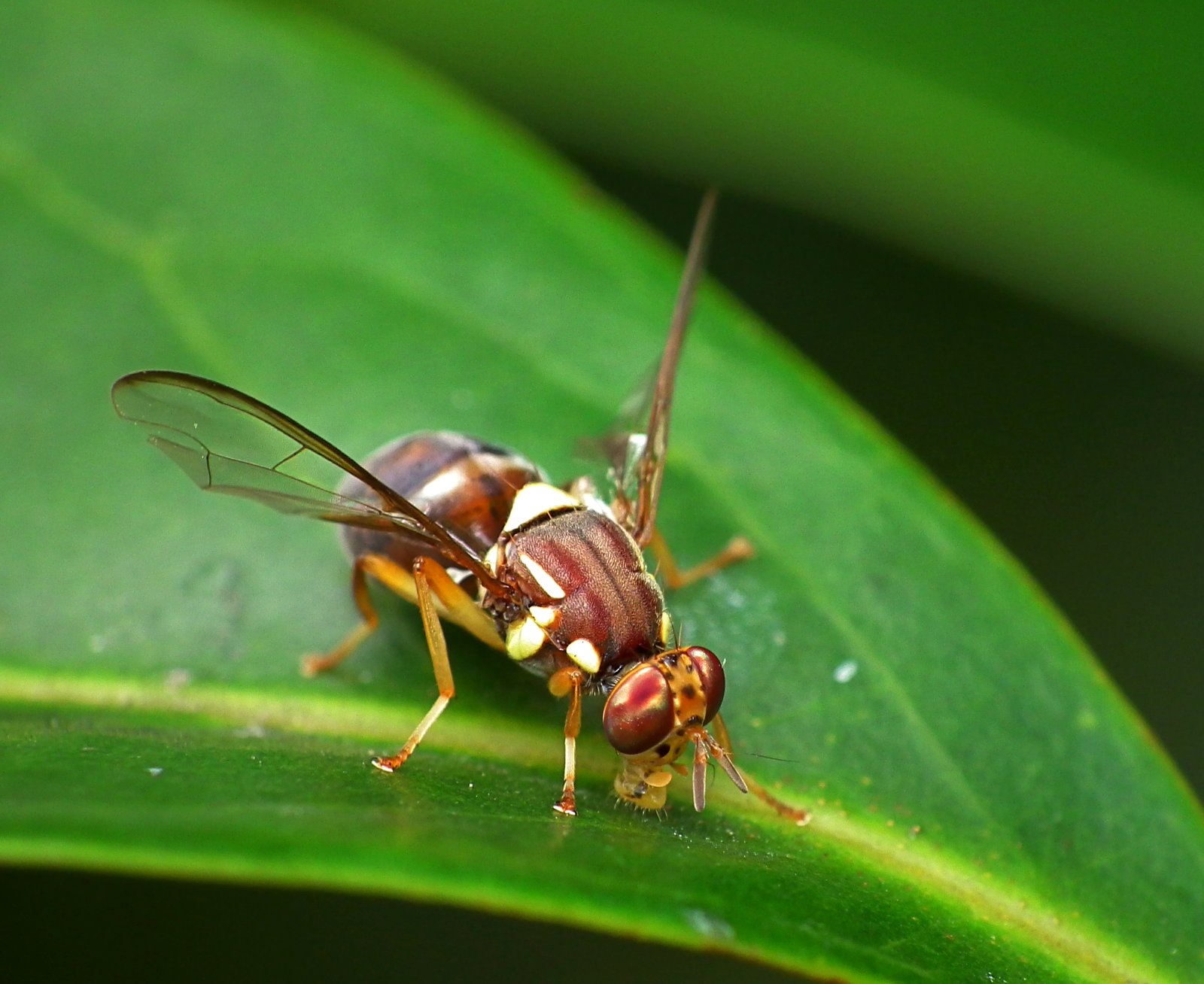
A Queensland fruit fly (Qfly) incursion is currently active in Perth’s inner southern suburbs, with the Western Australian Department of Primary Industries and Regional Development (DPIRD) running a formal eradication response across more than 8,000 properties in and around South Perth, Como, Kensington, and parts of Bentley and East Victoria Park. The incursion is a statewide biosecurity issue: WA’s long-standing freedom from established Qfly populations is a direct commercial and trade asset for the state’s growers and agritourism operators, and an uncontrolled spread into production regions would put that status at risk.
The Scale of the Current Response
DPIRD declared a Quarantine Area covering the affected inner-metropolitan suburbs following detection of the pest. The response to date includes:
- More than 86,000 property visits by DPIRD field officers across the affected area
- Surveys and treatments conducted across more than 8,000 properties
- More than 1,300 fruit samples collected for laboratory testing
- More than 33 tonnes of host fruit and vegetables removed, treated, and disposed of by DPIRD
A Red Zone is active over South Perth, Como, Kensington, and parts of Bentley and East Victoria Park. A broader Orange Zone covers a 15-kilometre buffer radius from the infestation. These are dense, inner-metropolitan residential and commercial suburbs. There are no commercial orchards, farm gates, pick-your-own operations, or rural agritourism businesses within either zone.
Why This Matters Beyond the Metropolitan Area
Qfly attacks more than 300 host species, including stone fruit, citrus, pome fruit, and fruiting vegetables such as tomatoes, capsicum, and chilli. The pest is established in Queensland, New South Wales, Victoria, and South Australia. WA remains the only mainland Australian state with commercial fruit production regions that are effectively free from established Qfly populations.
That freedom underpins real commercial value. WA growers can access markets, including interstate and export markets, under conditions that eastern states producers cannot offer. For agritourism operators running orchards, farm gates, pick-your-own enterprises, or farm stays adjacent to fruit production, that clean status supports the credibility and marketability of on-farm product. An eradication failure that allowed Qfly to establish in WA’s South West, Peel, or Great Southern regions would be a structural threat to those businesses, not a seasonal setback.
Incident Controller David Griffiths noted on 1 September 2026 that community cooperation has been a key factor in the response so far, with residents removing and disposing of host fruit and fruiting vegetables at scale. The eradication effort depends on breaking the Qfly breeding cycle before the pest can move beyond the current containment zones.
Movement Rules Operators Need to Know
The Quarantine Area imposes legally binding movement restrictions on host fruit and vegetables. While WAAA members are almost certainly not located inside the affected zones, the movement rules have practical relevance for any operator or supplier travelling through metropolitan Perth:
- Host fruit and fruiting vegetables must not be moved within or out of the Red Zone
- Host produce must not be moved outside the Orange Zone unless it has been treated by cooking, processing, or freezing
- Any host fruit not eaten or processed must be solarised: secured in a black plastic bag and left in direct sun for seven days before disposal in general waste. It must not go into FOGO (food organics, garden organics) bins
Operators who purchase or transport fresh produce through Perth, or whose suppliers do, should confirm that supply chains are not drawing product from within the Quarantine Area without appropriate treatment.
Reporting Suspected Qfly
DPIRD is asking the public statewide to remain alert for the pest. Qfly adults are six to eight millimetres long, with a red-brown thorax, yellow patches, a dark brown abdomen, and clear wings. Maggots found inside fruit are also a reportable sign.
Operators who observe suspect Qfly on their properties, at any location in WA, should report through the MyPestGuide Reporter app or platform. Early detection and rapid reporting are the tools that protect WA’s biosecurity status before a localised incursion becomes a regional one.
An interactive Quarantine Area map, a full list of affected host plants, and current movement, treatment, and disposal requirements are available on the DPIRD Queensland fruit fly webpage.