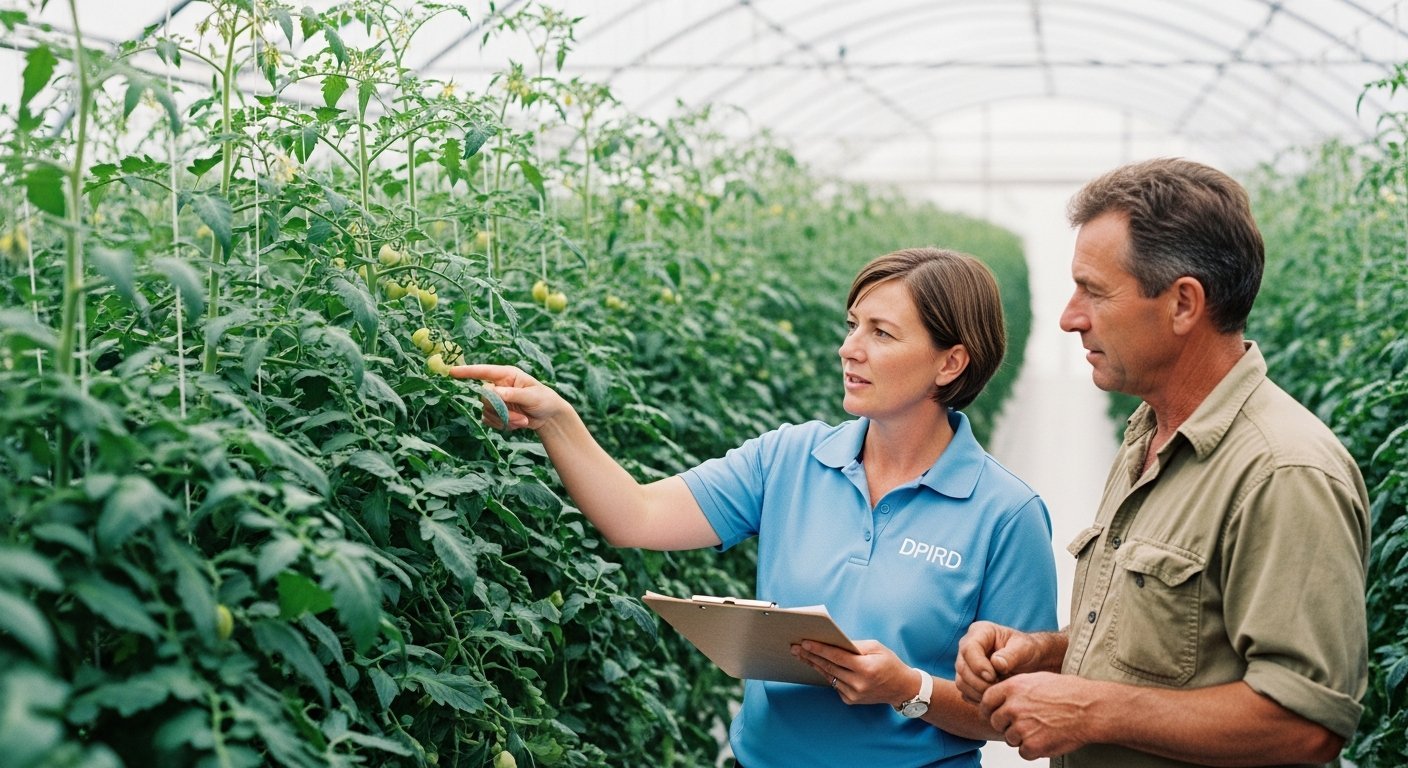
The Department of Primary Industries and Regional Development (DPIRD) has initiated an eradication response following the detection of Queensland fruit fly (Qfly) in Perth’s southern suburbs. A formal Quarantine Area will be established covering Como, South Perth, and surrounding localities, imposing legal restrictions on the movement of host fruit and vegetables that will directly impact horticultural and agritourism businesses operating within the designated zone.
Operational Impact and Eradication Measures
DPIRD’s response includes on-ground inspections of commercial and residential properties and the application of a registered organic bait to eliminate the pest. The primary operational impact for businesses will stem from the Quarantine Area declaration. This will legally prohibit the movement of at-risk produce out of the specified zone without authorisation, affecting supply chains, direct-to-consumer sales, and value-add production for any business located inside its boundaries. Further details on the specific boundaries and conditions will be provided by DPIRD to all impacted landholders.
While these measures are disruptive, DPIRD has a record of successfully eradicating 10 previous Qfly incursions in the Perth metropolitan area, including a 2025 outbreak in the Willagee area.
Biosecurity Compliance and Reporting
Qfly is classified as one of the most significant global pests for horticulture, infesting a wide range of commercial crops. Business owners are mandated to increase on-farm surveillance and ensure strict biosecurity protocols are followed.
- Affected Produce: Host plants include a wide variety of fruits and fruiting vegetables, with tomatoes, chillies, and capsicums being particularly vulnerable.
- Waste Disposal: All ripening and fallen fruit must be disposed of via solarisation. This requires securing the produce in a sealed black plastic bag and leaving it in the sun to kill any potential larvae before it is placed in a general waste bin. At-risk produce must not be placed in Food Organics, Garden Organics (FOGO) bins.
- Pest Identification: Staff should be trained to identify Qfly, which are six to eight millimetres long with a red-brownish torso, yellow patches, a dark brown abdomen, and clear wings.
- Mandatory Reporting: Any suspected sightings of the pest or its larvae in fruit must be reported immediately to DPIRD through the MyPestGuide Reporter app or its Pest and Disease Information Service at padis@dpird.wa.gov.au.
The WAAA News Team