A Tasmanian vineyard has launched a visitor experience that bundles environmental restoration directly into its cellar door offering, providing a replicable model for WA agritourism operators looking to add purpose-driven activities to their properties.
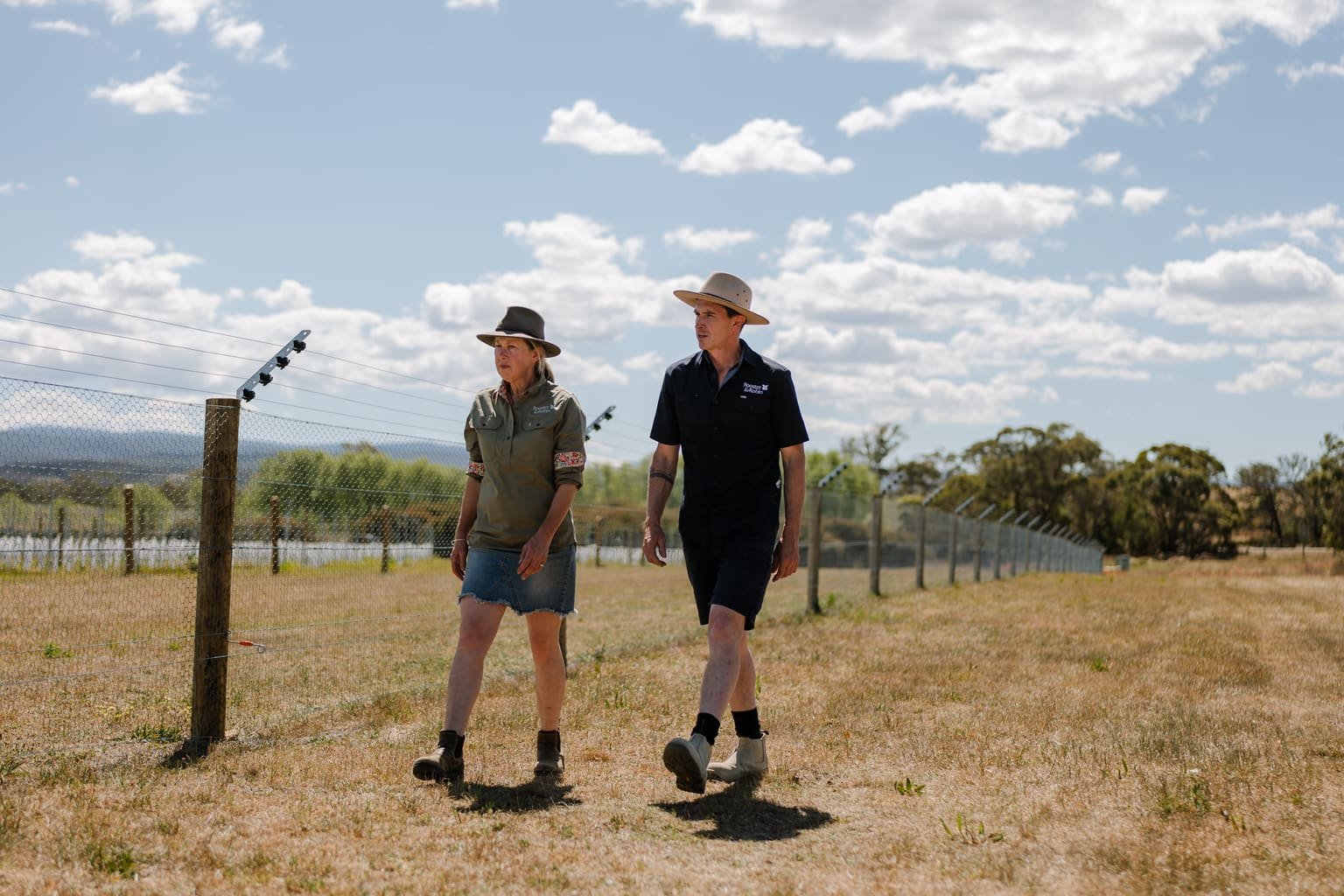
Rooster & Robin, a family-owned vineyard at Cranbrook on Tasmania’s east coast, opened a pop-up cellar door from 24 to 26 October 2026 as part of Great Eastern Wine Week. The vineyard, belonging to Robert and Robyn Pearshouse, launched what it calls a “Plant and Sip” experience: visitors purchase a glass of wine and plant a native tree on the property during the visit.
How the Model Works
The experience is deliberately low-cost to operate. The Pearshouses describe their current approach as “quite small and manageable,” with two wines on offer and a pop-up format rather than a permanent structure. The activity requires no specialist equipment, no additional staffing tier, and draws on restoration work the property was already undertaking. The vineyard sits beside the Swan River and is home to remnant stands of rare warty paperbark and an endangered Eucalyptus barberi, with around 150 native trees, shrubs, and grasses planted to date.
The retention mechanism is also embedded in the format. Visitors who plant a tree have a personal reason to return in subsequent seasons to observe its growth, generating repeat visitation without a loyalty programme or discount structure.
The vineyard also invested in two large-scale steel sculptures by Tasmanian artist Folko Kooper, installed at the property boundary and visible from the Tasman Highway. The rooster stands four metres tall and weighs close to two tonnes; the robin stands 1.5 metres including its perch. Robert Pearshouse noted that interest generated from “just putting up a couple of signs” suggested the business could outgrow its current setup quickly, indicating roadside visibility is already functioning as a low-cost marketing channel.
What This Means for WA Operators
The Plant and Sip model is straightforward to adapt and does not require a vineyard setting. Any WA agritourism property with an active revegetation programme, a Landcare commitment, or remnant bushland on title already has the physical asset the experience requires. The commercial logic is the same regardless of what the visitor drinks alongside it: pairing a restoration activity with a product tasting ties the visitor emotionally to the property and creates a reason to return.
WA operators considering this format should think through three practical questions. First, which species are ecologically appropriate for the site and are available in sufficient volume from a local nursery to handle variable visitor numbers. Second, whether the activity requires any additional public liability coverage under their existing policy, given visitors are moving off a defined tasting area onto working or revegetating land. Third, what the minimum viable version looks like before committing to infrastructure, as the Rooster & Robin approach demonstrates a pop-up format can test the concept without capital expenditure.
The roadside sculpture investment is a separate consideration but worth noting. Large-scale, permanent visual markers that are identifiable from a highway function as passive, ongoing advertising in rural areas where digital reach is patchy. Several WA operators in high-traffic agricultural corridors, particularly those near tourist routes in the Southwest, Great Southern, and Midwest regions, could assess whether a similar investment would generate comparable roadside recognition.
The Pearshouses are operating at a deliberately modest scale, which is also instructive. A common early error in agritourism product development is over-investing in infrastructure before visitor numbers justify it. Their pop-up approach generates market intelligence cheaply before any permanent build decision is made.
WAAA’s member network is the logical place for operators to workshop adaptations of models like this, compare notes on what has and has not worked on WA properties, and identify suppliers and contractors who understand the agritourism context. The association is volunteer-led and still building its resource base, but the peer forum exists precisely to accelerate this kind of applied learning. Operators who want to move that work faster can do so by joining and contributing to it.