The Department of Primary Industries and Regional Development (DPIRD) has launched its 2026-27 European wasp response campaign, with Albany and surrounding districts the immediate focus following early reports of pest activity this season.
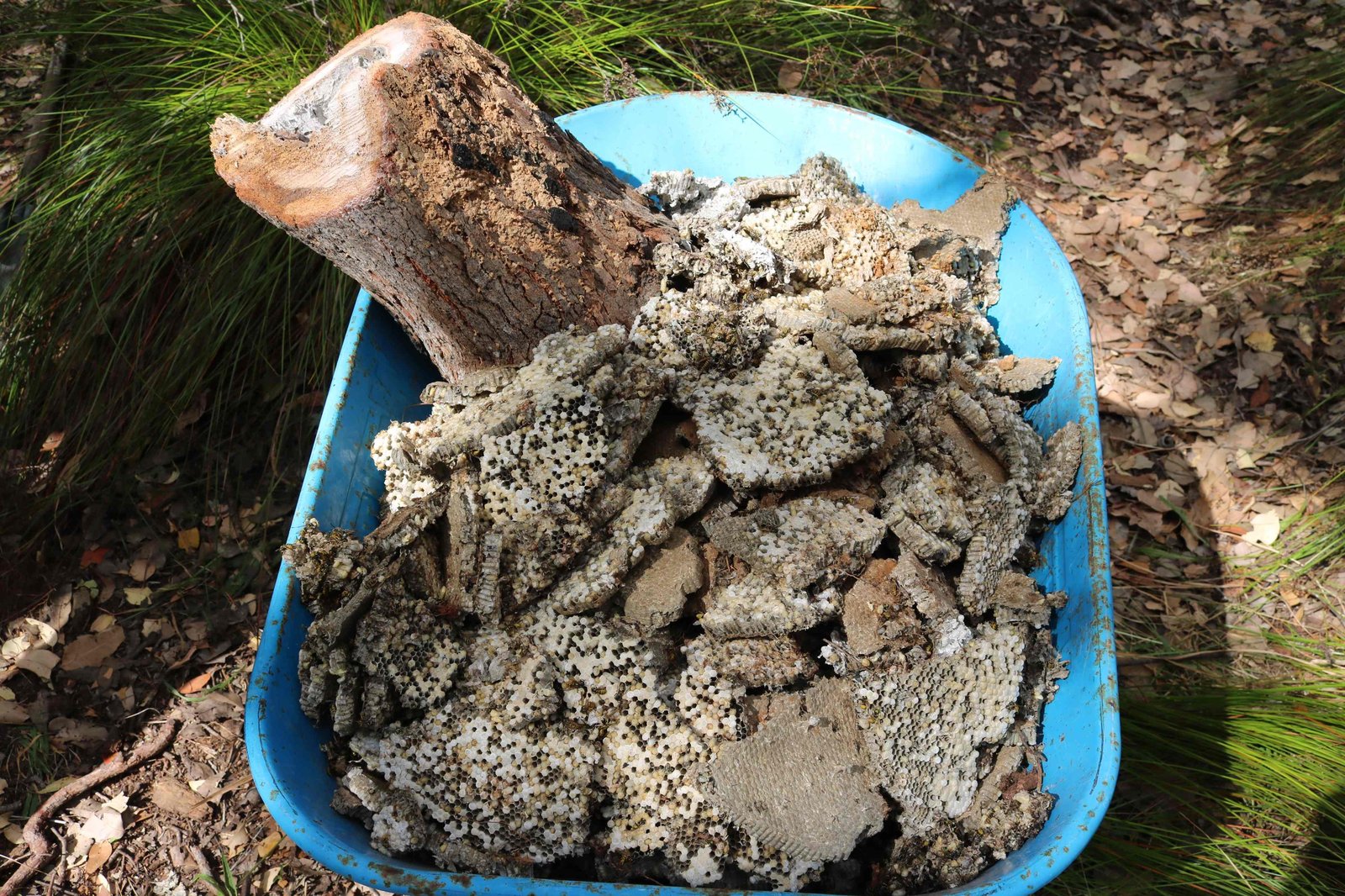
DPIRD officers removed 37 European wasp nests from the City of Albany during the 2025-26 season, making it one of the state’s highest-risk zones. This season has already produced one report from Mount Melville and three from the Napier district. In January 2026, DPIRD discovered one of the largest European wasp nests ever recorded in the state, found at Kanga Rock in the Albany suburb of Mira Mar.
The Scale of This Season’s Surveillance
DPIRD is establishing a network of 1,500 surveillance traps across an area covering the Porongurup National Park, Napier, King River and Bakers Junction districts. That surveillance phase will be followed by an intensive nest-removal program. The Albany response sits within a broader statewide program targeting other high-risk zones including Geraldton, Bunbury, Hyden and the Perth metropolitan area, all of which have recorded detections in recent years.
DPIRD European wasp project lead Kris Armstrong notes that the pest re-enters the state annually via freight transport, tourism and other vectors, with hibernating queens hitchhiking west before establishing new nests each season.
“Western Australia is one of the few Australian states and territories where European wasp has not established and impacted agriculture production, the environment and our outdoor lifestyle,” Armstrong said.
Why Agritourism Properties Carry Elevated Risk
European wasps are attracted to proteins and sweet foods, including meat, fish, dead insects, pet food and sugary drinks. That profile maps directly onto the operational footprint of a farm stay, farm gate café, pick-your-own orchard, or outdoor event venue: food service areas, compost, animal feed, fruit on the ground, and outdoor dining settings all create foraging opportunity.
An established nest on a property does not simply pose a welfare risk to the operator and their family. It creates a live hazard for visiting guests, with legal and insurance consequences that follow. A single sting incident involving a child at a farm event carries reputational and liability weight that is disproportionate to the size of the pest.
DPIRD’s Armstrong is explicit that nest removal should never be attempted without trained officers. “Please do not attempt to remove nests and risk getting stung,” he said. “Leave that to our trained DPIRD officers.”
How to Identify the Pest and What to Do
European wasps are similar in size and shape to a common honey bee. Key identifiers are bright lemon-yellow colouring with black stripes, yellow legs and black antennae. They are frequently confused with yellow paper wasps, so if there is any uncertainty about the species, report it and let DPIRD identify it.
Operators who observe wasp activity on their property should report it immediately through one of three channels:
- The DPIRD MyPestGuide Reporter app
- The Pest and Disease Information Service on 9368 3080
- Email at padis@dpird.wa.gov.au
Do not attempt to locate, disturb or treat a nest. DPIRD’s biosecurity response team handles removal.
What This Means for WA Operators
Agritourism operators in Albany, the Porongurup ranges, Napier, King River and Bakers Junction districts are in the active surveillance zone as of 19 November 2026 and should conduct a visual check of their property now, paying particular attention to outbuildings, soil banks, compost areas, wood piles and outdoor food service zones where nests are commonly established. Operators further afield, including those in the Swan Valley, Bunbury and Geraldton regions, should note that DPIRD’s broader program covers those areas due to prior detections. If you operate farm stays, farm gate cafés or outdoor event spaces, consider briefing staff on identification and response before your peak summer season. Reporting early is the most effective contribution any operator can make: a nest found in November is easier and cheaper to contain than one found in February with 1,000 guests through the gate. For operators thinking about how farm biosecurity intersects with your broader business positioning, WAAA’s strategic development plan sets out what the association is advocating for on behalf of members at a government level.