Kind Farm, an animal sanctuary in New Zealand’s Cardrona Valley, is sourcing a significant portion of its operational labour through a structured volunteer work-exchange program, providing on-site accommodation in return for approximately 20 hours of work per week. The arrangement is managed through the HelpX platform rather than directly by the farm, and has generated substantial applicant interest.
How the Model Works
Volunteers at Kind Farm commit to one or two weeks on the property. The working schedule is four hours each morning across five days out of seven. Tasks cover the core daily requirements of running a mixed-animal sanctuary, including:
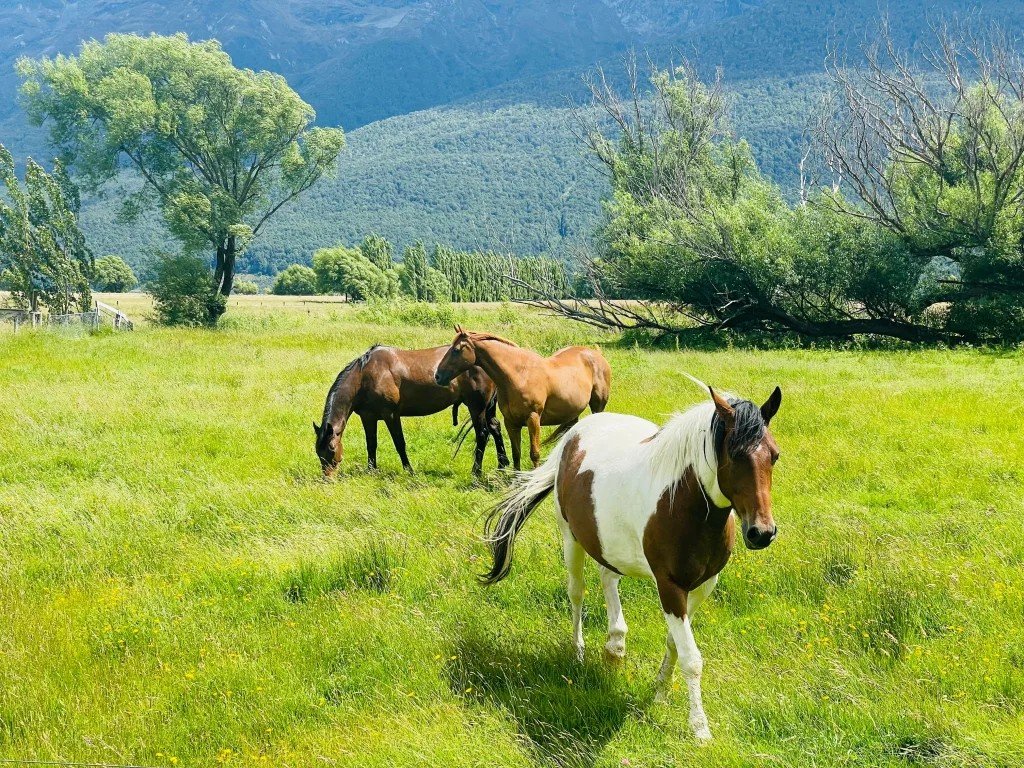
- Feeding, grooming, and walking horses, ponies, and donkeys
- Cleaning shelters and maintaining enclosures and paddocks
- General animal husbandry across goats, sheep, pigs, and chickens
- Planting, weeding, and revegetation work in a native plant nursery
No prior animal-care experience is required. Accommodation is provided on-farm in exchange for the labour contribution. The farm does not advertise cash wages for these roles.
Kind Farm lists its positions through HelpX, a third-party platform connecting properties with volunteer workers globally. The platform manages application volume and initial screening, reducing the administrative burden on the farm operator. The farm reports high demand for placements, indicating the model is attracting more interest than available positions.
The Legal Distinction That Underpins the Arrangement
Immigration New Zealand classifies accommodation, food, or transport received in exchange for labour as “gain or reward,” meaning participants may require a work visa rather than a standard tourist visa. Kind Farm’s listing on HelpX reflects this, and applicants are directed to confirm their visa eligibility before committing to a placement.
This regulatory distinction is not unique to New Zealand. The classification of work-for-accommodation arrangements sits at the intersection of immigration law, employment law, and fair work obligations in most jurisdictions, including Australia.
What This Means for WA Operators
The Kind Farm model is directly relevant to WA agritourism operators managing labour-intensive properties, particularly those running animal-care programs, conservation projects, or farm-based guest experiences that require consistent daily staffing.
Work-for-accommodation or “wwoof” style arrangements are already in use on Australian farms, but operators considering this structure need to be clear on several compliance obligations before implementing anything similar:
- The Fair Work Act and relevant Modern Awards set minimum wage floors. Accommodation offsets against wages are permitted in limited circumstances but must be calculated and documented correctly. An arrangement that functionally constitutes employment, even if described informally as volunteering, may trigger award obligations.
- The Australian Tax Office treats certain in-kind benefits, including accommodation, as potentially subject to Fringe Benefits Tax. Operators should obtain accounting advice before treating accommodation as a straightforward labour-for-board swap.
- WWOOF Australia and HelpX both operate in the Australian market. Using an established platform, as Kind Farm does with HelpX, transfers some administrative and matching workload away from the operator and provides a degree of documentation that can support compliance records.
- Workers’ compensation insurance must be confirmed to extend to volunteer or work-exchange participants. In WA, coverage requirements under the Workers’ Compensation and Injury Management Act 2023 should be verified with the operator’s insurer before any volunteer commences work on the property.
- If international participants are involved, operators need to confirm that the individual’s visa subclass permits the work being performed. Pacific Australia Labour Mobility scheme participants and Working Holiday visa holders (subclass 417 and 462) each carry different conditions regarding accommodation offsets and minimum pay.
For operators running conservation or native revegetation projects alongside guest-facing activities, the Kind Farm model also demonstrates how environmental work can be integrated into a volunteer program as a legitimate and appealing task category, potentially broadening the applicant pool beyond those motivated solely by animal contact.
The core transferable lesson is structural: formalising the arrangement through a recognised platform, defining the hours and task scope clearly, and treating the compliance requirements as non-negotiable from the outset protects the operator and makes the program sustainable beyond a single season.