The Western Australian government has announced a $1 million grant program aimed at improving on-farm water security and climate resilience. The second round of the “Water Smart Farms for the Future” program offers individual grants of up to $100,000 for research and development projects focused on water capture, storage, and efficiency. Applications are now open and will close on 2 May 2024.
Strategic Implications for Agritourism Operations
For agritourism operators, the grant presents a strategic opportunity to de-risk operations and enhance their market position. Securing a reliable water supply is critical for maintaining the landscape, crop health, and livestock that form the core of the visitor experience. Funding can be used to offset significant capital expenditure on water infrastructure, directly improving business cash flow.
Furthermore, investing in water-smart technology provides a compelling marketing narrative. Demonstrating a commitment to sustainability and climate resilience can differentiate a business, appealing to environmentally conscious consumers and strengthening brand reputation. This program allows operators to fund the development and adoption of technologies that future-proof their business against drought and increasing climate variability.
Grant Eligibility and Use of Funds
The program is administered by the Department of Primary Industries and Regional Development (DPIRD). Eligibility extends to a range of entities, including grower groups, research organisations, and private enterprises, which covers many farm-based tourism businesses.
Funding is targeted at research and development projects that address key water challenges. Key focus areas for grant applications include:
* Improving water capture, storage, and efficient use.
* Enhancing the quality of on-farm water supplies.
* Investigating and developing alternative water sources.
* Creating business cases for the adoption of new water technologies.
Application Focus and Project Scope
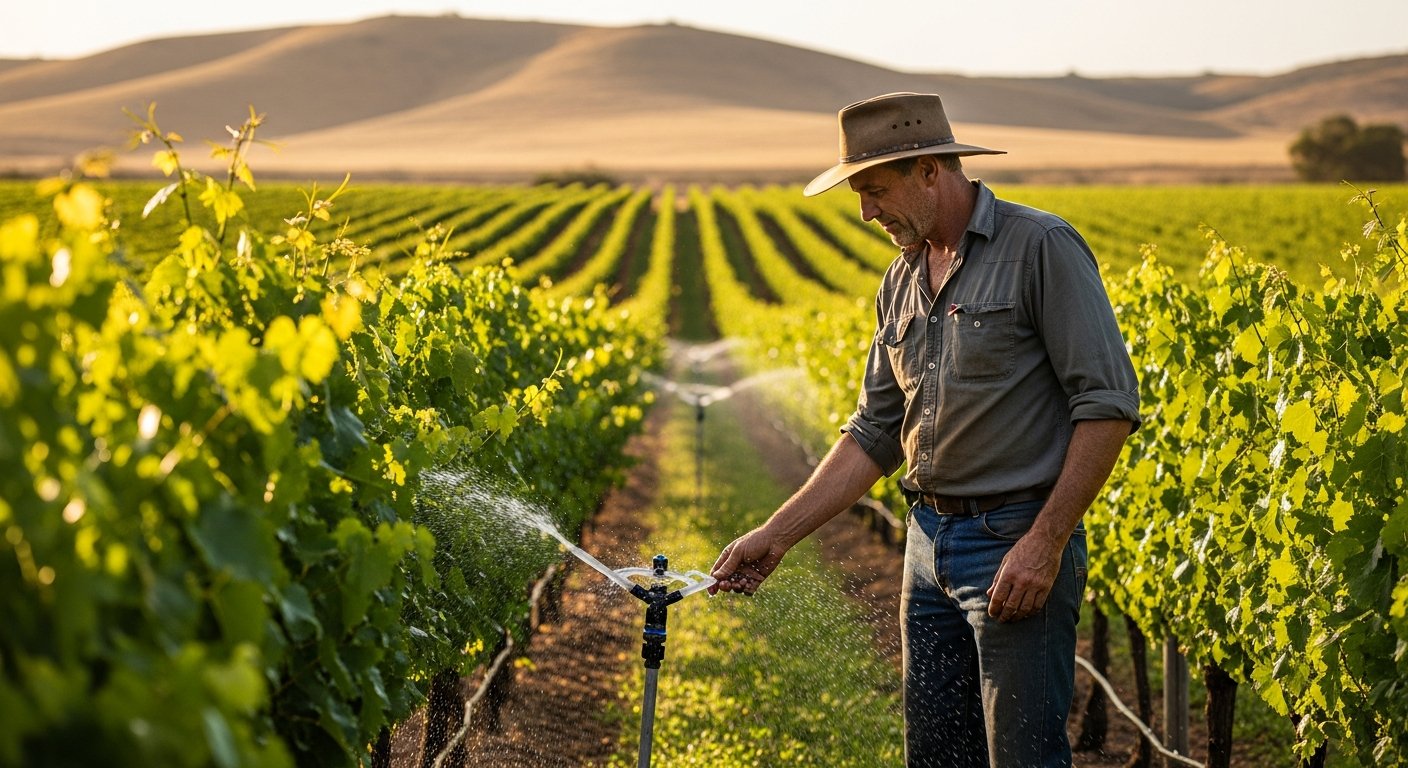
Successful applications will likely focus on innovative solutions with clear, measurable outcomes. The previous funding round supported 14 projects, including investigations into desalination technologies for agricultural use, improving the reliability of farm dams, and advanced groundwater mapping. Agritourism operators can use this as a guide for scoping their own proposals, such as feasibility studies for integrating greywater recycling systems or piloting advanced irrigation sensors for vineyards or orchards.
The WAAA News Team