The Western Australian Department of Primary Industries and Regional Development (DPIRD) confirmed on 14 August 2026 that H5 avian influenza has been detected in wild migratory birds in Western Australia. As of that date, there have been no detections in poultry or the broader agricultural system. However, DPIRD is urging all bird and poultry keepers, including those running agritourism operations with on-farm animals, to act on biosecurity measures now.
Current Situation
DPIRD Chief Veterinary Officer Dr Michelle Rodan stated that H5 bird flu is expected to become an ongoing wildlife disease that cannot be eradicated from wild bird populations, meaning continued monitoring and management will be required indefinitely. Local transmission events and mass mortality in wild birds are considered likely as detections increase, consistent with overseas experience.
Human infection with H5 bird flu remains rare, as the virus does not spread easily from animals to people.
Biosecurity Requirements for Operators
For agritourism operators who keep poultry, ornamental birds, or other domestic birds as part of their farm experience, DPIRD has outlined the following core measures:
- Prevent wild birds from accessing housing, feed, water, bedding, and the general bird environment.
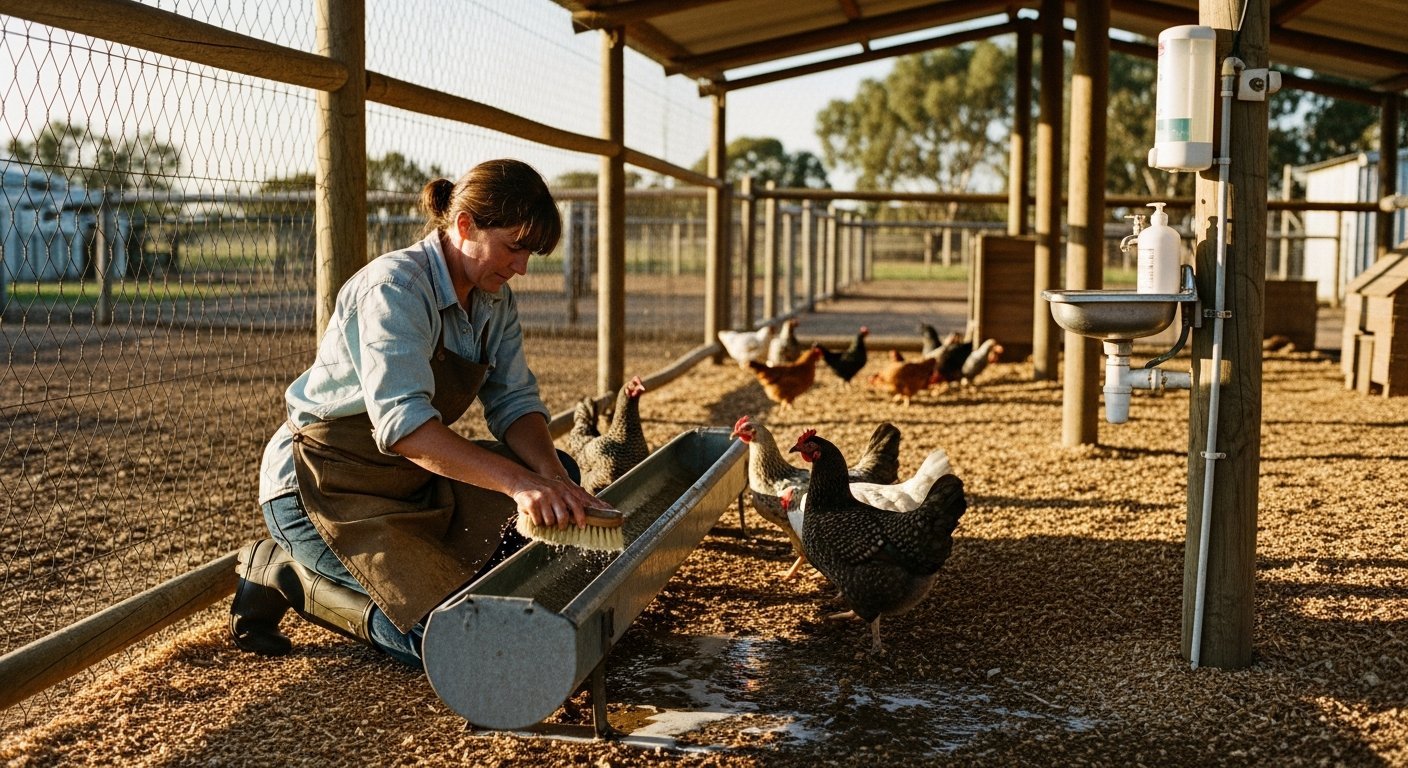
- Regularly clean and disinfect aviaries, pens, and all associated equipment.
- Require boots to be cleaned and hands washed thoroughly with soap before and after any contact with birds, including by staff and visitors.
- Keep other pets away from wildlife. This includes preventing cats from roaming freely and keeping dogs on leads in areas where wildlife is present.
- Monitor all birds for signs of illness on a regular basis.
Operators who allow visitors to interact with poultry or birds as part of their tourism offering should consider how visitor hygiene protocols align with these requirements. A clearly enforced handwashing and footwear protocol at any bird enclosure is a practical starting point.
Reporting Obligations
Any observation of sick or dead birds or marine mammals must be reported to the Emergency Animal Disease Hotline on 1800 675 888. The reporting protocol advised by DPIRD is: avoid contact with the animal, record the observation with photos or video, and report immediately.
Operators should ensure all staff and any contractors working on-property are aware of this reporting obligation, not just the business owner.
Where to Find Official Guidance
DPIRD has published a step-by-step video on preventative measures alongside written guidance on the WA Government’s H5 avian influenza (bird flu) in Western Australia website. Operators are encouraged to review this material and use it as a reference when briefing staff.
Media enquiries can be directed to DPIRD at Megan.broad@dpird.wa.gov.au or by telephone on +61 8 9368 3937.