A North American agricultural media outlet published a video segment on 13 August 2026 arguing that the farm narrative itself, not advertising spend or tourism infrastructure, is the primary marketing asset available to agritourism operators. The segment, produced by Farms.com and Better Farming, positions agritourism not as a secondary revenue stream but as a deliberate marketing channel through which farm businesses communicate their identity, production methods, and supply chain directly to the public.
The Core Argument
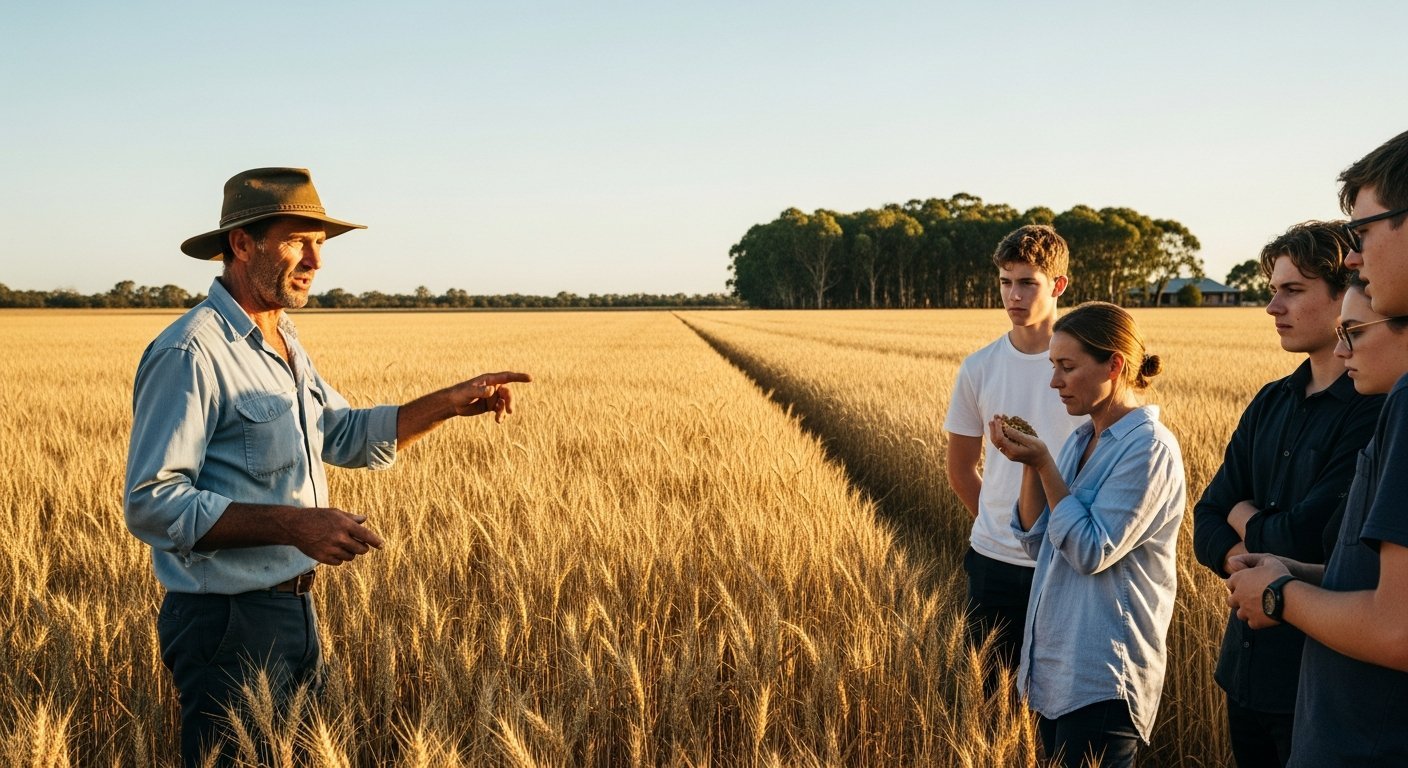
The segment’s central claim is that farmers who open their properties to visitors are not simply diversifying income. They are creating a controlled environment in which their brand story is experienced rather than read. This reframes agritourism from a hospitality product into a marketing function, one that builds consumer trust in the farm’s primary produce while generating direct revenue simultaneously.
The argument rests on a practical reality that commodity producers rarely control: anonymity. Most farm output passes through processors, distributors, and retailers before reaching a consumer, stripping the farm of any brand presence. Agritourism reverses that dynamic by placing the consumer on the farm itself, where the operator controls the narrative entirely.
What This Means for WA Operators
Western Australian agritourism operators are already operating in a market where this logic applies directly, and in some respects applies more forcefully than in the North American context the segment addresses.
WA’s geographic isolation means that most consumers in Perth and regional centres have limited visibility into where their food and fibre is produced. An operator who opens their property creates a direct line between paddock and public that no amount of supermarket shelf placement can replicate. The marketing value of that connection is not incidental to the agritourism product. It is the product.
Operators should consider several practical implications from this framing:
- A farm’s story, its history, its production methods, its seasonal rhythms, and its people, should be documented and structured before a single visitor arrives. Operators who treat storytelling as something that happens informally during a tour leave significant brand value on the table.
- Content produced on-farm during visitor experiences, short video segments, photography, written testimonials, has compounding marketing value. It can be repurposed across social channels and used to support sales of branded produce, farm-gate products, and future bookings.
- Operators who also sell direct (farm-gate, farmers markets, online), should treat their agritourism activity as a brand-building exercise for that revenue stream, not just a standalone ticket sale. Visitors who connect with a farm story become repeat buyers of its products.
- Staff and family members who interact with visitors are delivering the brand experience. Operators should brief them on the farm’s story with the same rigour they would apply to any customer-facing role.
The segment offers no specific data, no funding detail, and no regulatory or operational framework. Its value for WA operators is conceptual: the prompt to audit whether their current visitor experience is actively communicating the farm’s story or simply providing access to it. For operators who have not reviewed their guest-facing narrative recently, that is a worthwhile operational question to put on the agenda before the 2026 to 2027 summer season.