A well-stocked farm gate shop or cellar door does not need to carry every cheese available in Western Australia. It needs to carry the right ones, presented with enough context and confidence that visitors leave with something in their bags and a reason to return.
That is the central finding from independent cheesemongers operating in competitive retail markets in the United Kingdom, where specialist retailers have refined how they select, present and sell cheese to customers who could just as easily buy from a supermarket. The parallels for WA agritourism operators running farm gate shops, cellar doors or farm stay pantries are direct.
Familiar Styles, Unexpected Products
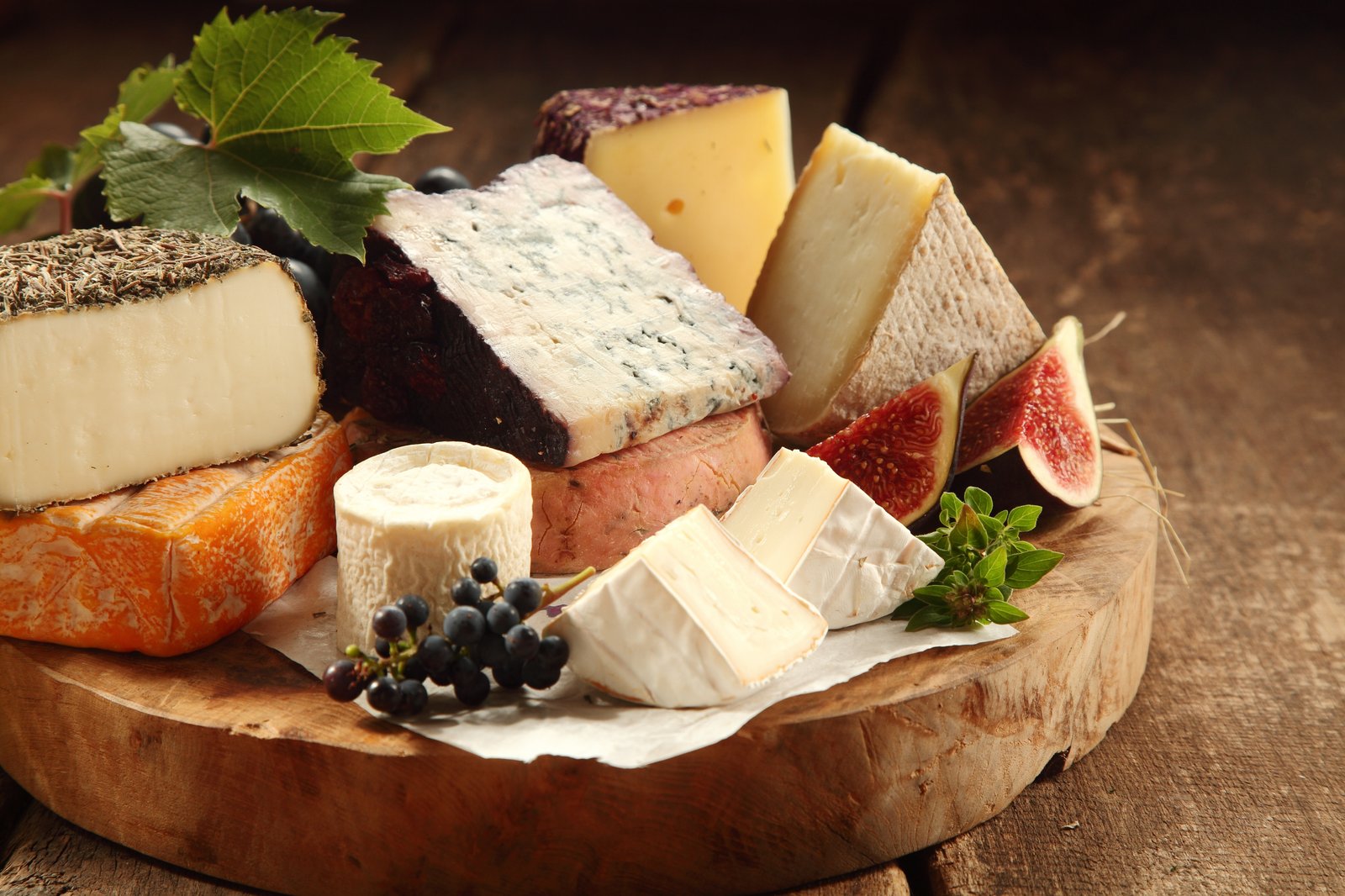
The instinct to stock well-known cheese styles is commercially sound, but the opportunity is in finding versions of those styles that cannot be found in a Coles or IGA. Nick Birchall of The Cheese Shop in Nantwich, England, advises looking for a Cheddar matured in hay or herbage, or any variant that carries “just that little different touch” to attract attention. Svetlana Kukharchuk, trading as The Cheese Lady, describes the same logic: cheeses that sit within familiar categories such as Cheddar, Alpine or Gouda, but carry an unexpected twist, give customers a low-risk entry point into discovery.
For WA operators, this approach maps directly onto the state’s growing artisan cheese sector. Producers across the South West, Great Southern and Perth Hills are making aged, washed-rind and specialty milk varieties that are genuinely difficult to find outside the region. Stocking those products positions the farm gate shop as a destination in its own right, not a convenience stop.
Approachability Drives the Sale
Stocking unusual products is only half the equation. Kukharchuk is direct on the point: “Discovering a new cheese should feel exciting, not intimidating.” The retail mechanics that achieve this are sampling, brief staff explanations and confident recommendations. Emmanuelle Metz of Metz Cheesemonger frames it as expanding a customer’s knowledge rather than simply selling: “It’s not boring, you can go further than your usual choice.”
For operators running farm gate shops without dedicated retail staff, this translates into labelling strategy. A short card beside each cheese describing the producer, the milk type, the aging period and a suggested pairing does the work that a cheesemonger does in conversation. On a WA property, that card can also carry the paddock context, the farm name, the region, and a harvest or production date, information that supermarkets cannot replicate and that justifies a premium price point.
The Counter Should Reflect the Property
Metz argues that a cheese counter should reflect the personality of the person behind it, as well as the season, location and wider offer. “If you bring something new into the shop or counter, it needs to make sense with the rest of the shop. Otherwise, you’re just one more shop, and anonymous.”
This is particularly relevant for agritourism operators, whose farm gate shop already sits inside a broader experience: a working farm, a vineyard, an olive grove, a family property. The cheese selection should reinforce that identity. A Margaret River operator running cattle should be sourcing and prominently featuring local washed-rind or aged cow’s milk varieties. A sheep farmer in the Avon Valley has an obvious case for featuring local sheep’s milk cheese. Where the property produces its own value-added dairy, the range is built around that anchor and complemented by regional producers whose story is consistent with the property’s own.
Seasonality matters too. WA’s South West peak visitor season runs roughly from September through April, with the southern winter quieter. A counter that rotates with the season, featuring fresh styles in spring and aged or stronger varieties in cooler months, gives repeat visitors a reason to check what is new.
Producer Relationships Are the Competitive Advantage
Sourcing genuinely distinctive products is not straightforward. Kukharchuk is candid about the commercial constraints: “It is easy to fall in love with a very niche cheese, but we also have to consider its price, shelf life and potential demand.” Metz looks specifically for cheesemakers prepared to experiment and collaborate. Birchall describes actively contacting cheesemakers and suggesting alternative maturing methods.
For WA operators, the distance from eastern states suppliers and the biosecurity complexity of importing some international cheeses reinforce the case for building direct relationships with WA producers. A direct relationship with a Manjimup or Pemberton cheesemaker may allow an operator to stock a small-batch run, secure exclusivity for a particular variety within their region, or commission a co-branded product. These arrangements take time to develop but create a range that competitors, including online retailers and suburban delis, cannot easily replicate.
Rotation Keeps Customers Returning
The farm gate shop that never changes its range is training customers not to look. Metz puts it plainly: “We’ve got to keep listening to people. We have to keep bringing them joy.” The practical mechanism is a planned rotation, introducing one or two new lines per quarter, retiring slow sellers and tracking which products generate the most conversation or repeat purchase.
Operators running farm stays have an additional data source: guests who stay on-property for one or more nights and eat from the farm pantry. Feedback from those guests, gathered informally at checkout or through a simple written note, provides direct evidence of which products resonate before an operator commits to larger volumes.
What This Means for WA Operators
The retail cheese market in the United Kingdom is a useful reference point because it is competitive, has a mature artisan sector and has worked through the same tension WA operators face: how to differentiate from mass retail without alienating customers who default to familiar products. The answers that have worked there translate directly to a farm gate context.
Practical actions for WA operators:
- Audit the current range against the question: which of these products can a visitor buy at a supermarket within 30 minutes of this property? Any that can be, should be replaced or supplemented with regional alternatives.
- Contact at least two WA artisan cheesemakers directly before the end of November 2026 to discuss whether a small-batch, exclusive or co-branded product is feasible for the 2026-27 summer season.
- Introduce printed producer cards for every cheese line, including milk type, region, aging period and a suggested pairing with something else sold on the property.
- Set a quarterly review date to rotate at least one line and brief any front-of-house staff or family members on how to introduce unfamiliar cheeses without making customers feel pressured.
- If the farm gate shop does not currently offer tastings, trial a simple two-cheese sample plate on weekends through the December 2026 to February 2027 peak period and track its effect on cheese sales.
WAAA’s member network includes operators already running successful farm gate retail, and the association’s mentorship program can connect members who want to develop their retail range with operators who have done it. If this is a gap you are working on, the member forum is the place to start the conversation.