The Department of Primary Industries and Regional Development (DPIRD) has declared a Quarantine Area for several South Perth suburbs following the detection of Queensland fruit fly (Qfly). The measure imposes immediate restrictions on the movement and disposal of fruit and fruiting vegetables for all businesses and properties within the designated zones, directly impacting agritourism and horticultural operations.
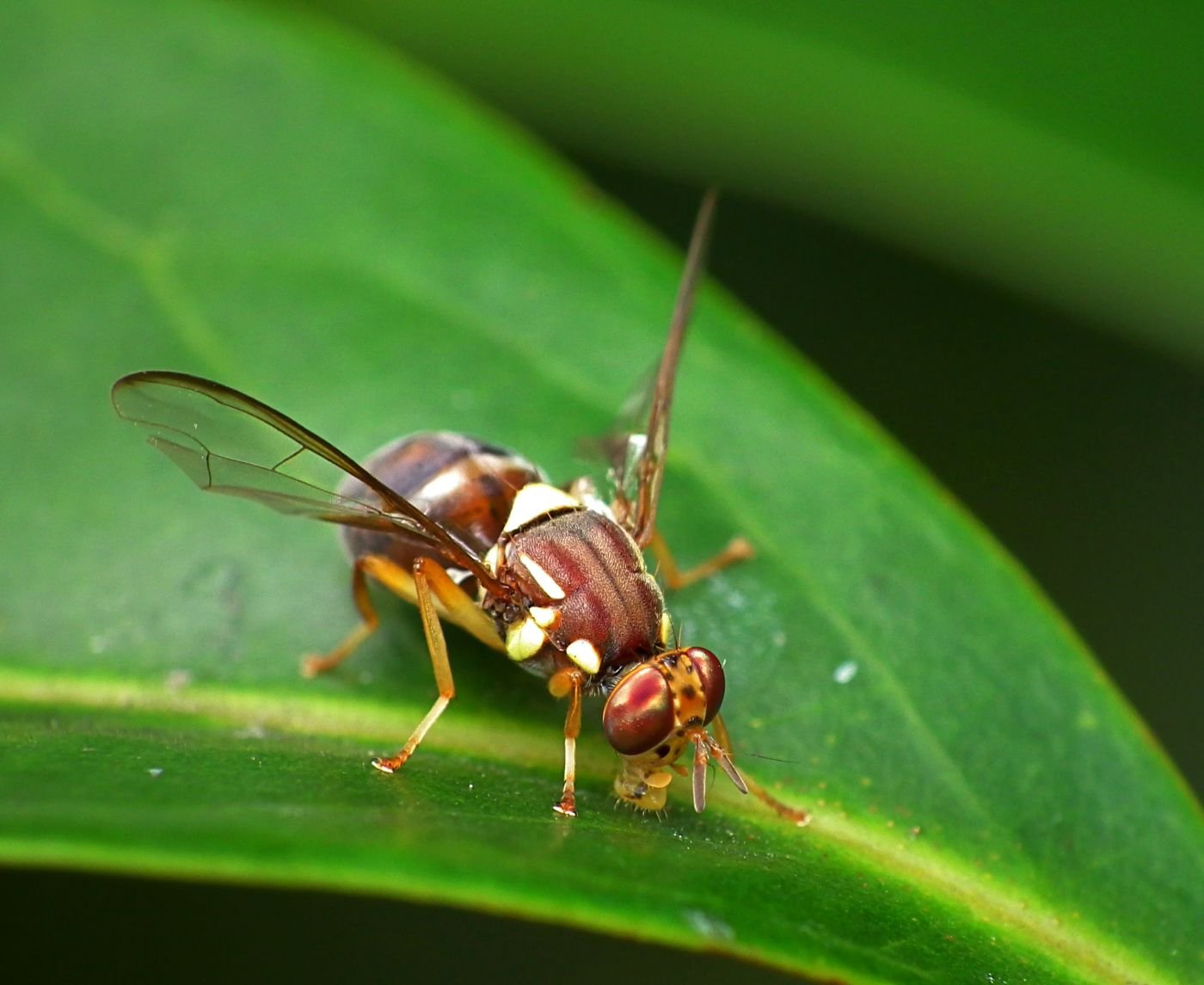
The detection of the destructive pest in DPIRD’s surveillance traps in South Perth and Como triggered the containment response. Qfly is a significant threat to horticulture, affecting over 300 types of fruit and vegetables, including tomatoes, chillies, and capsicums.
Operational Mandates by Zone
DPIRD has established a two-tiered quarantine system based on proximity to the Qfly detections. Business operators must identify which zone their property falls into to ensure compliance. An official, interactive map is available on the DPIRD website.
The Quarantine Area Red Zone covers a 1.5 km radius from the outbreak, affecting more than 7,000 properties in South Perth, Como, Kensington, Bentley, and East Victoria Park. Operations within this zone are subject to the most stringent controls:
- All ripe and ripening fruit and fruiting vegetables from host plants must be picked and removed.
- Raw host fruit and fruiting vegetables must not be moved within or outside of the Red Zone. Movement is only permitted if the produce has been cooked, frozen, dried, or preserved.
- All fruit that is not consumed or processed must be solarised by being secured in a sealed black plastic bag and left in the sun for a minimum of seven days. It must then be disposed of in the general waste bin, not the food organics, garden organics (FOGO) bin.
The Orange Zone acts as a buffer, extending to a 15 km radius from the infestation. Businesses in this area are prohibited from moving host fruit and fruiting vegetables outside of the Orange Zone unless it has been properly treated according to official guidelines.
Strategic Implications for Agritourism
These quarantine measures present significant compliance and logistical challenges. For agritourism businesses within the zones, particularly those with “pick-your-own” models or farm-gate sales, operations will be severely disrupted. The prohibition on moving raw produce from the Red Zone effectively halts local sales and distribution.
Operators in the broader Orange Zone who supply markets or customers outside the 15 km radius must now factor in the cost and logistics of approved treatment protocols. Failure to comply with these regulations not only risks penalties but also jeopardises the broader state horticulture industry by potentially allowing the pest to spread to major production areas. DPIRD response teams are actively inspecting properties and applying registered organic baits to eradicate the pest. All business owners are urged to consult the DPIRD website for the definitive quarantine map and a comprehensive list of affected plants to ensure full compliance.
The WAAA News Team