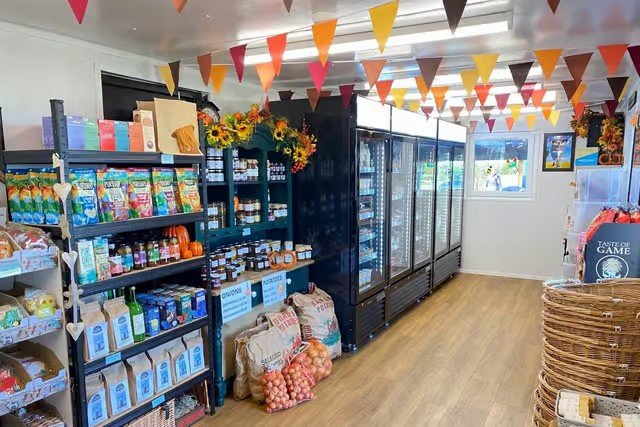
A family-run farm near Peterborough, England, has built a repeatable direct-sales model from scratch inside 12 months, shifting more than a tonne of 28-day dry-aged Aberdeen Angus beef in a single weekend through monthly pop-up shop events held on-farm.
Branson’s Farm in Glatton launched its first pop-up in late November 2025 after the family identified direct retail as a way to diversify revenue from their near-century-old cattle operation. Operator Stacey Branson told the Peterborough Telegraph the initial event was promoted solely through Facebook and sold two whole carcasses, approximately 600 kilograms of beef, across two days. By the March 2026 event, demand had accelerated further, with the Saturday session clearing most of the beef allocation. The most recent event moved three animals and more than one tonne of product.
The December 2026 event is scheduled for Saturday, 5 December and Sunday, 6 December, with the shop open from 9:00am to 4:00pm on both days.
What the Model Looks Like in Practice
The Branson operation runs the pop-up as a periodic, high-anticipation retail event rather than a permanent shop, which limits staffing and infrastructure costs while creating scarcity-driven demand. The product range has expanded beyond beef to include tallow balm, a skin moisturiser rendered from the farm’s own cattle fat, demonstrating a secondary value-add from material that would otherwise attract a disposal or rendering cost.
The business is run by Brian Branson, his son Matt, and Matt’s wife Stacey. No external retail experience was cited as a prerequisite. The events operate on a fixed two-day format, which allows the family to manage volume, staffing, and cold-chain logistics within a contained window rather than maintaining year-round retail hours.
What This Means for WA Operators
The Branson model is transferable in structure, though WA operators would need to map it against their own regulatory environment before proceeding.
The core mechanism is straightforward: sell direct from the farm gate on a periodic basis, build anticipation between events, and use a single social media channel to manage demand at low cost. For WA agritourism operators already hosting visitors on-farm, adding a periodic produce pop-up to an existing approved property is a lower-capital entry point into direct retail than building a permanent farm store. The fixed-window format also suits farms with small family workforces, since it concentrates labour into a defined period rather than requiring ongoing retail staffing.
WA operators considering this model should verify the following before proceeding:
- Meat sales direct to the public in WA require compliance with the Meat Industry Act 1976 and relevant Food Act 2008 provisions. Requirements differ depending on whether product is sold as packaged retail cuts or in other forms. Contact the Department of Health and the Department of Primary Industries and Regional Development for current licensing obligations.
- Any value-added product sold to the public, including cosmetics such as tallow balm, may trigger separate labelling and safety assessment requirements under the Australian Consumer Law and the Industrial Chemicals Act 2019. This is separate from food licensing and requires its own review.
- Local government approval for periodic retail events on rural-zoned land varies by shire. Some WA shires treat recurring pop-up retail differently from one-off events, and planning approval or a change-of-use determination may apply.
The Facebook-only promotional strategy is worth noting. The Branson farm sold out its first event without a website, an email list, or paid advertising. For WA operators who have been reluctant to invest in complex digital marketing infrastructure, this is a data point that a focused, consistent presence on a single platform can generate sufficient demand at the launch stage.
The tallow balm line is a useful prompt for WA beef and lamb producers to audit their current by-product streams. Fat, hide, and offal that currently go to a renderer or waste may carry retail or value-add potential, subject to the regulatory checks noted above.
WAAA is building a resource library and Professional Support Network specifically to help members work through compliance questions like these before they invest in a new revenue stream. If you are a WA agritourism operator exploring direct farm-gate sales, the network can connect you with advisers who have navigated the relevant WA licensing frameworks. WAAA is volunteer-led and still growing, and the more operators who join, the faster these resources develop.