The Department of Primary Industries and Regional Development (DPIRD) has convened a national workshop with international experts, signaling a strategic shift towards the long-term management of polyphagous shot-hole borer (PSHB). For agritourism and horticultural operators, this transition indicates that PSHB will become an ongoing operational risk requiring permanent biosecurity protocols rather than a temporary threat to be eradicated.
The Perth workshop brought together scientists from the US and South Africa to establish best-practice management strategies based on international experience. This move confirms the government’s focus is now on preparing industry for sustained management of the pest.
Operational Impact and Grower Responsibilities
The “Transition to Management” phase places a direct responsibility on commercial growers to integrate PSHB mitigation into their standard operating procedures. DPIRD has outlined clear expectations for all horticultural businesses, including those with significant tree canopies central to their agritourism appeal.
Operators are now expected to implement the following measures as part of their ongoing risk management:
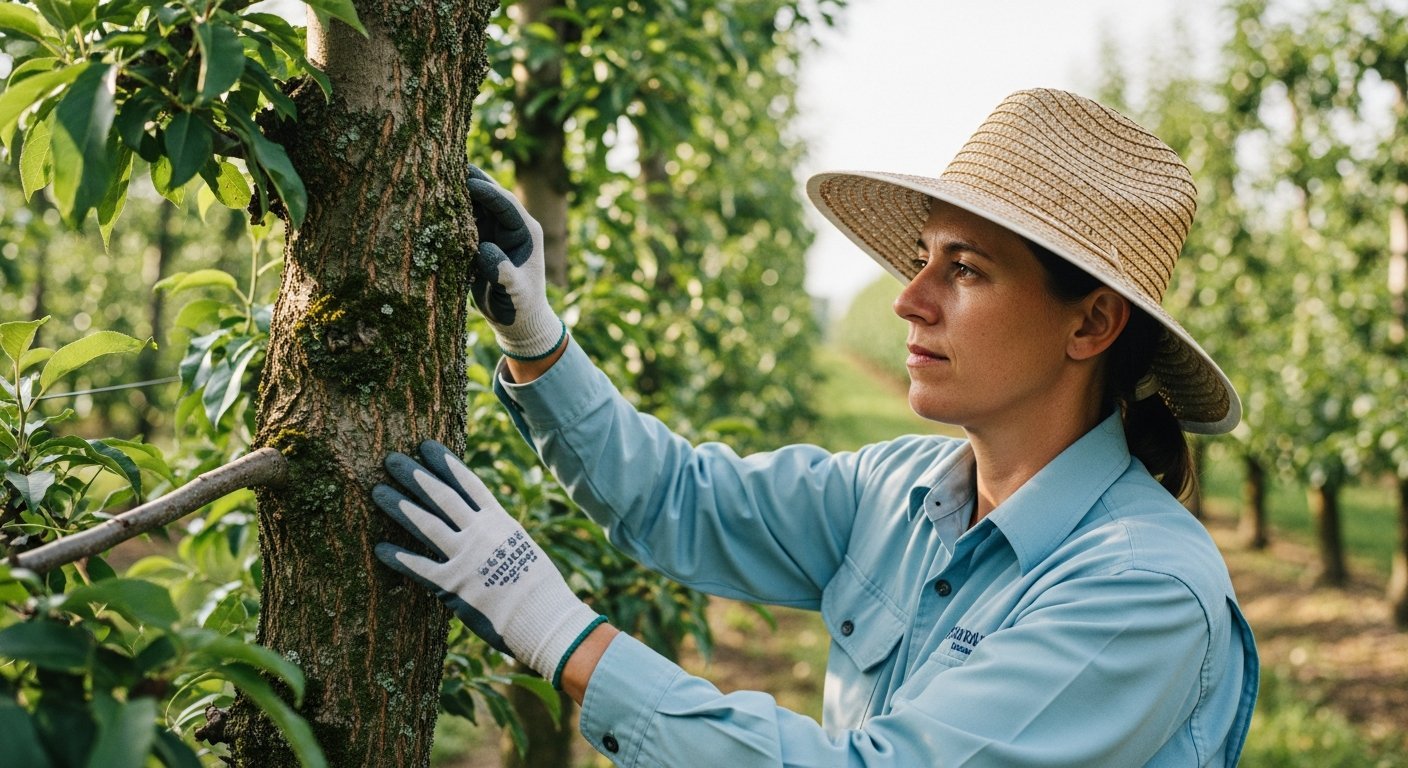
* Regular Monitoring: Conduct routine inspections of trees for any evidence of PSHB infestation.
* Orchard Hygiene: Maintain high standards of on-farm hygiene to minimise the risk of establishment and spread.
* Mandatory Reporting: Any suspected infestation must be reported immediately to DPIRD. Reports can be lodged via the MyPestGuide Reporter app or by contacting the Pest and Disease Information Service directly at padis@dpird.wa.gov.au or (08) 9368 3080.
DPIRD’s Capacity Building and Training team is developing resources to upskill industry personnel in these new management protocols.
Quarantine Area Restrictions Remain in Effect
A Quarantine Area covering the entire Perth metropolitan region remains in force. This regulation is designed to minimise human-assisted spread of the borer and has significant compliance implications for businesses operating within its boundaries. Moving wood or wood products from properties inside the Quarantine Area is strictly controlled.
DPIRD surveillance continues, with monitoring traps actively deployed in regional orchard production areas outside the primary quarantine zone. Operators in both metropolitan and regional locations must remain vigilant, as an infestation can impact tree health, property aesthetics, and crop yields.
The WAAA News Team