The Department of Primary Industries and Regional Development (DPIRD) will host a public display at Perth’s Murray Street Mall on Wednesday, 20 May 2026, from 8:00am, in partnership with the Bee Industry Council of WA (BICWA) and the Agricultural Produce Commission’s Beekeeper Producers Committee. The event marks World Bee Day and serves as a platform for both consumer education and industry biosecurity messaging.
Market Position: WA’s Jarrah Honey
Western Australia’s jarrah honey remains an exclusively WA product, produced from the state’s jarrah forests. According to DPIRD principal agribusiness development consultant Gerard Leddin, the product is achieving growing recognition in international markets. For agritourism operators who sell or feature local produce, jarrah honey — alongside karri and marri varieties — represents a differentiated, premium product with traceable provenance and a strengthening export profile. Stocking or showcasing WA-produced honey carries a clear label-verification signal for consumers: operators and buyers are advised to confirm honey labelling explicitly states WA origin.
Biosecurity: Varroa Mite Remains a Live Risk
Western Australia is currently one of a small number of jurisdictions worldwide that remains free of varroa mite, a destructive bee pest that has caused significant damage to bee populations and pollination-dependent agricultural industries in other states and countries. DPIRD is using the 20 May 2026 event to reinforce surveillance obligations across the beekeeping community.
Key biosecurity actions relevant to operators with hives or pollination-dependent crops:
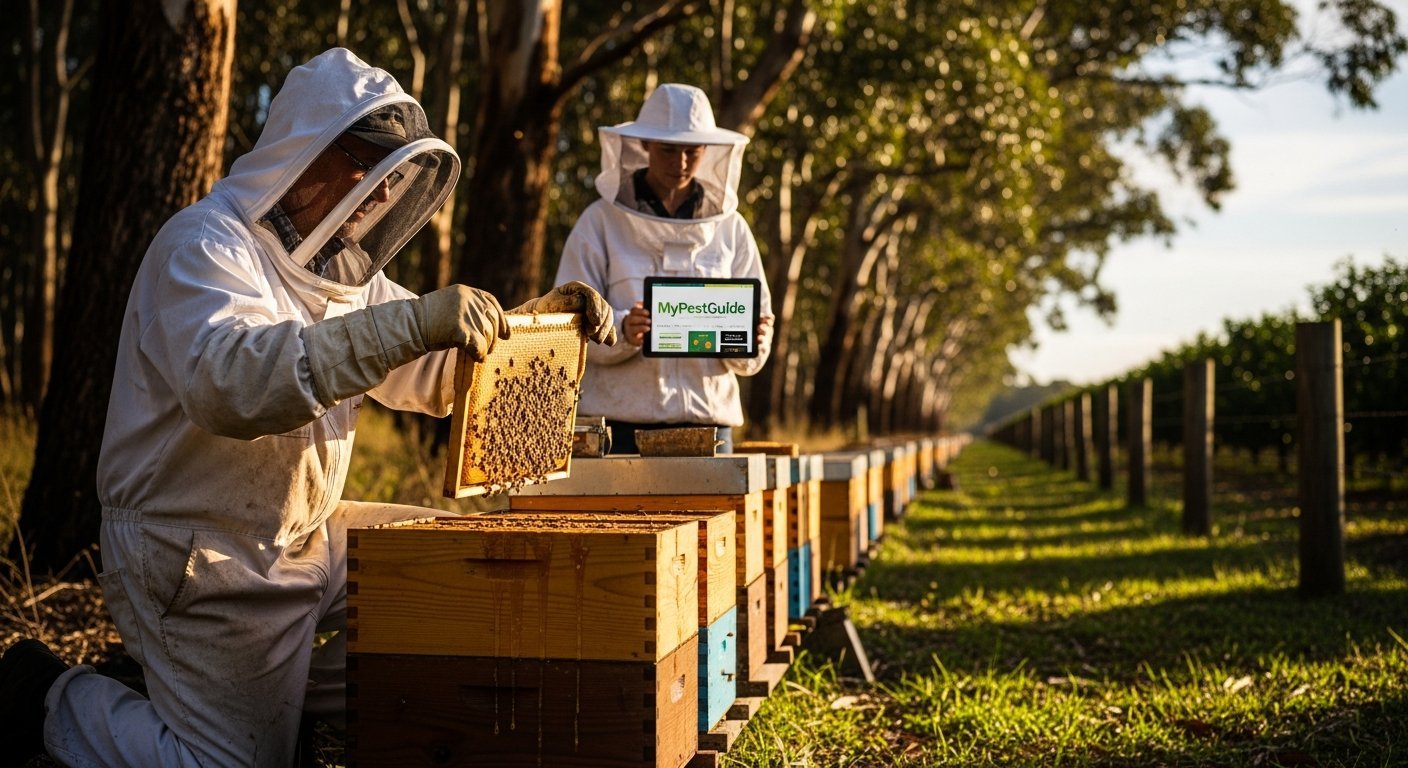
- Conduct regular hive inspections and report anomalies promptly.
- Download the MyPestGuide™ app (free, available for phone and tablet) to report biosecurity concerns directly to DPIRD.
- Varroa mite incursion would have direct consequences for horticultural and agricultural productivity, making early detection a shared commercial and compliance interest.
What This Means for Agritourism Operators
For agritourism businesses that incorporate bees, honey production, or pollination-dependent crops into their offering, WA’s current biosecurity status is a genuine market advantage. The state’s freedom from varroa mite underpins the integrity of local honey products and supports the productivity of flowering crops used in farm experiences. Operators should treat hive surveillance not only as a regulatory obligation but as protection of a core business asset.
The 20 May 2026 Murray Street Mall display runs from 8:00am. Media enquiries can be directed to DPIRD at +61 8 9368 3937, or via Megan.broad@dpird.wa.gov.au or Jodie.Thomson@dpird.wa.gov.au. Further information is available at www.worldbeeday.org.au.
The WAAA News Team