Australia’s Nature Repair Market expanded on 30 October 2026 with the introduction of a second approved method, the Enhancing Native Vegetation method, which for the first time allows landholders to earn income or biodiversity certificates for managing and improving existing native bush rather than only replanting cleared land.
The change means farmers who have been protecting remnant vegetation at their own cost may now be able to register projects and attract private investment or sell biodiversity certificates for that work, subject to assessment, monitoring, and long-term management obligations.
What the New Method Covers
Eligible activities under the Enhancing Native Vegetation method include:
- Weed and pest control
- Grazing management
- Planting and natural regeneration
- Baseline assessment and management planning
Each registered project can earn one biodiversity certificate representing its biodiversity outcome. Payments are negotiated commercially, meaning the return to the farm business depends on the funding secured, the cost of delivering the work, and any land-use changes required. The method applies across eligible regions in eastern, southern, and south-western Australia.
Projects can also be structured for environmental offset purposes following amendments to the Nature Repair Act passed in 2025. This opens a potential buyer pool beyond voluntary conservation investors to include development proponents with legal obligations to compensate for impacts on threatened species or ecological communities. However, offset projects carry additional requirements, biodiversity certificates do not represent stored or avoided carbon, and registration does not guarantee acceptance by the relevant environmental regulator.
Landholders may also be able to run a nature repair project alongside a carbon project on the same land, potentially generating income from both schemes where each scheme’s requirements are individually met.
Commitment Periods and Costs to Weigh
Participation requires a baseline assessment and a management plan. Permanence periods are either 25 years or 100 years, with offset projects subject to additional provisions. Ongoing monitoring, reporting, and management costs are the landholder’s responsibility and must be factored against projected income before committing.
Cattle producer and Farmers for Climate Action spokesman Peter Holding described the framework as a serious attempt to design and meet a high integrity standard, citing national benchmarks and biodiversity integrity assessments. He raised one structural concern: that certificates should be issued progressively against verified outcomes rather than outcomes considered likely to be achieved.
The market’s first method, covering replanting of native forest and woodland ecosystems, has been active since February 2025. As of 5 November 2026, four projects covering a combined 2,656 hectares have been registered, all in New South Wales, and the Clean Energy Regulator’s public register lists none of them as having issued a biodiversity certificate.
What This Means for WA Operators
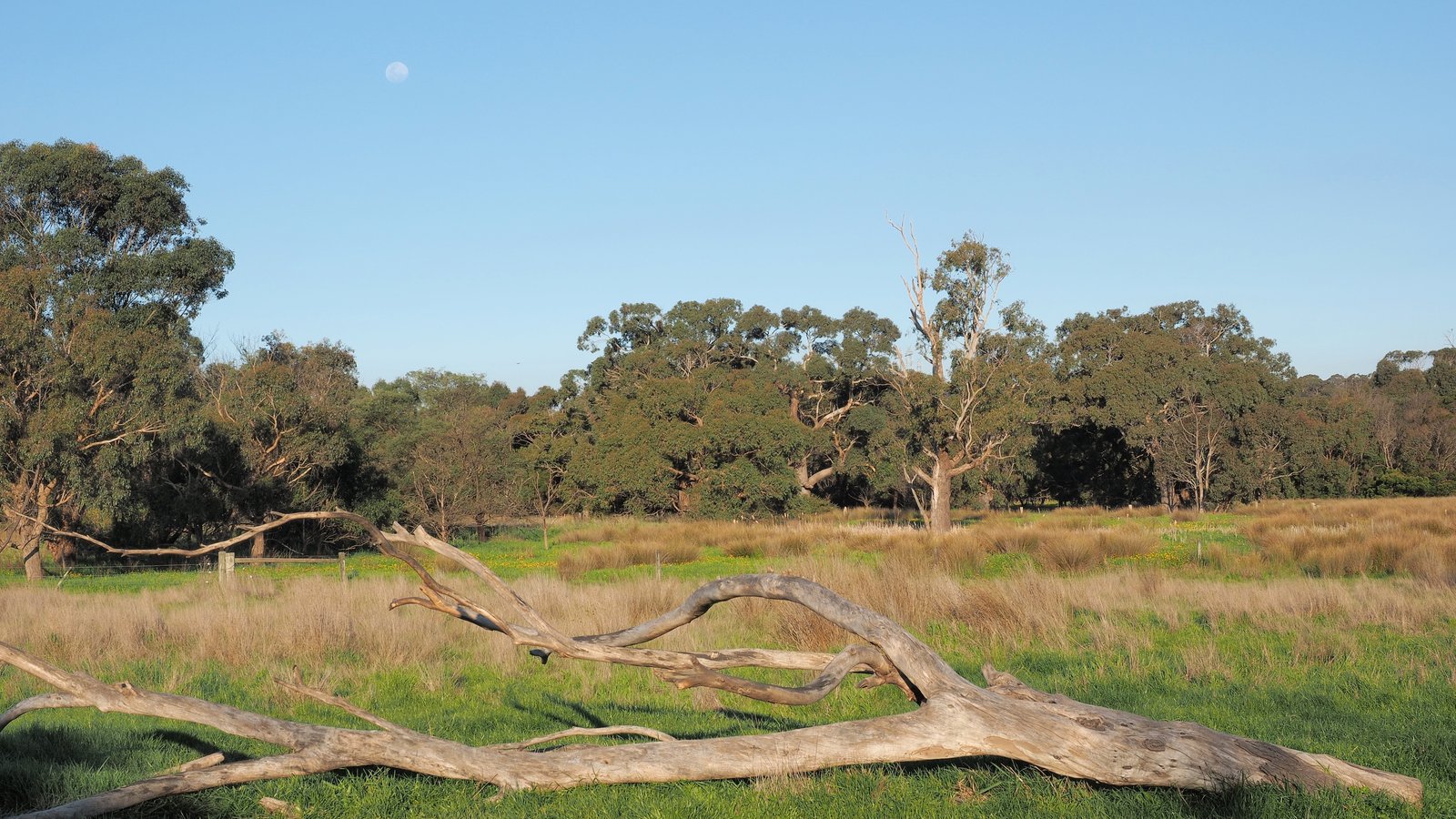
The Enhancing Native Vegetation method explicitly applies to eligible regions in south-western Australia, so WA landholders are not excluded on geography alone. For agritourism operators who already maintain or showcase remnant bush as part of their visitor experience, that environmental stewardship may now be a fundable activity rather than purely a cost centre.
The practical first step is eligibility. The Clean Energy Regulator administers the scheme, and landholders need to check whether their land qualifies before commissioning a baseline assessment or management plan. The cost of that assessment, combined with the permanence commitment required (a minimum of 25 years), means this is a decision that warrants independent legal and financial advice before registration.
Operators running agritourism alongside grazing should also note that livestock management is explicitly recognised as a way to contribute to environmental outcomes under the new method. That is a meaningful shift from frameworks that have historically treated grazing as incompatible with conservation outcomes.
The honest limitation is that demand for biodiversity certificates remains thin. Only four projects have registered under the first method since February 2025, none have issued a certificate, and the government is still working to stimulate buyer demand. Operators who register projects now are entering an early-stage market, and commercial returns are not guaranteed.
WAAA is monitoring this scheme and will circulate further information through the member forum as eligibility guidance and demand-side developments become clearer. Members with questions about how nature repair projects might interact with their agritourism operation are encouraged to raise them in the forum or contact the Professional Support Network for a referral to a vetted adviser.