
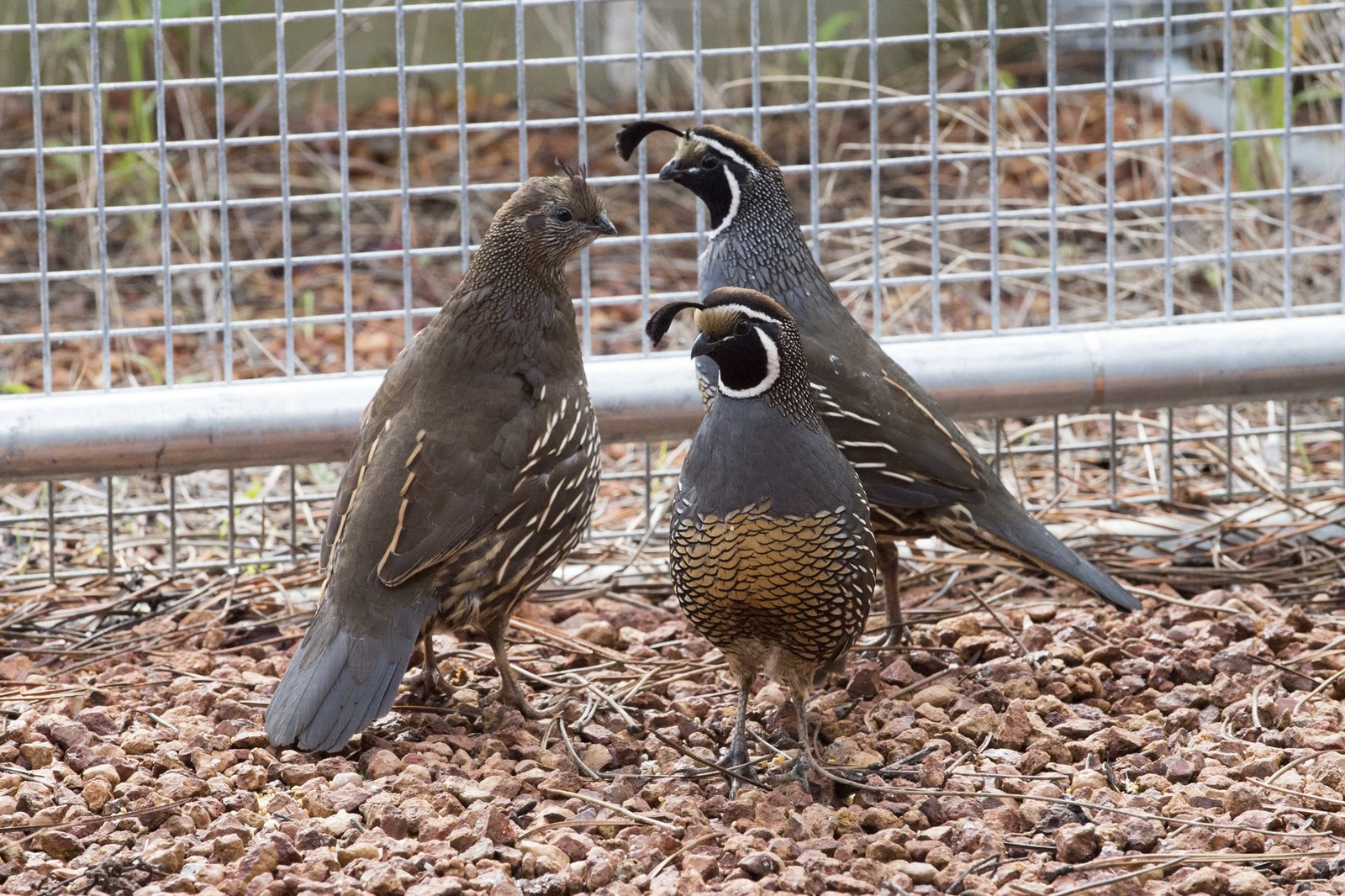
The Western Australian Department of Primary Industries and Regional Development (DPIRD) has launched a surveillance operation in the Maida Vale area following a confirmed sighting of California quail, a prohibited declared pest species, on 30 October 2026.
Of the seven birds initially reported by a member of the public, only two have been captured. DPIRD regional biosecurity coordinator Tim Stevens has warned that numbers may be higher than currently observed, as the species is emerging from its breeding season and juveniles are becoming more visible.
Why This Species Matters to Agritourism Operators
California quail are prohibited declared pests in WA because they establish feral populations rapidly. The species feeds on seeds and foliage and, at high population densities, causes documented damage to grape and grain crops. It also competes directly with native quail for food and nesting sites, threatening the biodiversity that many agritourism operators actively promote as part of their visitor experience.
The bird is a stout, mostly grey species approximately 27 centimetres tall. Distinguishing features include:
- A distinctive black teardrop-shaped crest
- A brownish-white speckled belly and wings
- Males with a chestnut crown and black throat, both edged in white
The species typically moves in groups, stays on the ground, and flies only when disturbed.
Precedent from the 2016 Gidgegannup Incursion
The last confirmed WA incursion occurred in the Gidgegannup area, where California quail were detected on several properties in 2016 by landholders who reported promptly to DPIRD. A surveillance and trapping program followed, and by June 2017 a total of 31 birds had been removed. Early reporting by landholders was the critical factor in containing that outbreak.
The species has established feral populations in New South Wales, Victoria, King Island and Norfolk Island, as well as in Chile, Argentina and New Zealand, demonstrating its capacity to spread permanently when incursions are not caught early.
What Operators in the Eastern Suburbs and Foothills Should Do Now
Agritourism properties in Perth’s eastern suburbs and foothills, particularly those operating vineyards, grain production, or native habitat experiences, carry the highest immediate exposure from this incursion.
Operators should:
- Walk productive and vegetated areas of the property and look for groups of ground-dwelling birds matching the description above
- Brief any farm staff or regular volunteers on the identifying features of the species
- Report any suspected sighting to DPIRD’s Pest and Disease Information Service or via the MyPestGuide Reporter app immediately, do not wait for a second sighting to confirm
- Review the DPIRD California quail biosecurity alert for full species and response detail
Media enquiries to DPIRD can be directed to donna.coleman@dpird.wa.gov.au or by telephone on +61 8 9368 3937.