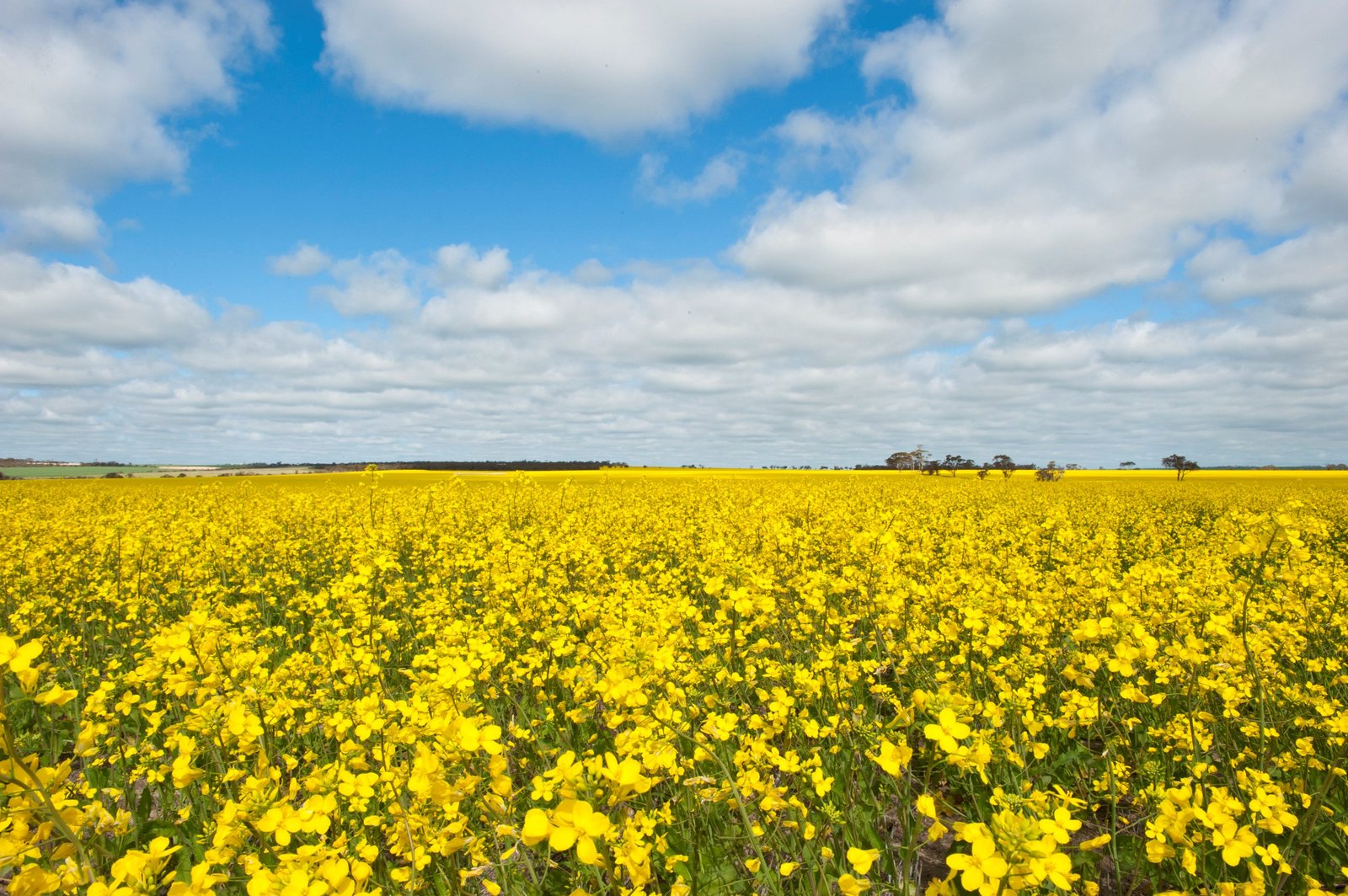
The Western Australian Department of Primary Industries and Regional Development (DPIRD) has launched a consolidated online resource for Wheatbelt landholders managing the spring finish of the 2026 growing season. The Season 2026 webpages, published on 7 September 2026, bring together weather and climate forecasts, soil water maps, fertiliser and input tools, and crop and livestock management information in a single location.
Why This Season Is Particularly Challenging
DPIRD’s Intelligence, Extension and Support Director, Kari-Lee Falconer, has confirmed that growing season rainfall has been highly variable across the Wheatbelt in 2026. This variability, compounded by elevated input costs linked to the ongoing Middle East conflict, has created unusually difficult conditions for crop and livestock producers managing margins heading into harvest.
Falconer identified fertiliser top-up, pest and disease treatments, pasture management, and harvest options as the key cost pressure points operators are currently weighing. The emphasis from DPIRD is on data-driven decision-making to protect return on investment when both income and outlay are difficult to predict.
What the Season 2026 Pages Contain
The webpages are described by DPIRD as a one-stop-shop and include the following resources:
- Weather and climate forecasts and soil water maps relevant to Wheatbelt conditions
- The Potential Yield Tool, which calculates maximum wheat yield based on projected decile finishes to inform crop management decisions
- A Grains Convo podcast episode focused on return on investment in seasons with high input costs and variable rainfall, including practical risk-balancing strategies
- PestFacts WA, providing integrated pest management intelligence and localised advice
- A livestock section covering feed and water budgeting, with DPIRD noting that dry conditions in 2026 are not as widespread as those recorded in 2024
- The WA Rural Support Directory, with links to financial counselling and wellbeing services
The webpages will continue to be updated through harvest.
Implications for Agritourism Operators in the Wheatbelt
Agritourism operators running on-farm experiences in the Wheatbelt are managing the same cost pressures and seasonal variability affecting all rural landholders this spring. Where visitor income is tied to harvest or seasonal activities, crop yield uncertainty directly affects the ability to plan and promote experiences with confidence.
The Season 2026 tools are relevant to any operator with a cropping or grazing enterprise running alongside their agritourism program. The Potential Yield Tool and PestFacts WA resources can inform decisions about which paddocks, crops, or livestock activities remain viable as visitor-facing experiences in coming months.
For operators under financial pressure, the WA Rural Support Directory hosted on the same platform provides access to counselling and support services without requiring a separate search.
The Season 2026 webpages are available through the DPIRD website. Media enquiries can be directed to Jodie Thomson at DPIRD on +61 8 9368 3937 or Jodie.Thomson@dpird.wa.gov.au.