Primary producers and landholders across 15 local government areas on the Swan Coastal Plain are legally required to manage stable fly breeding sites on their properties this summer, the Department of Primary Industries and Regional Development confirmed on 12 November 2026.
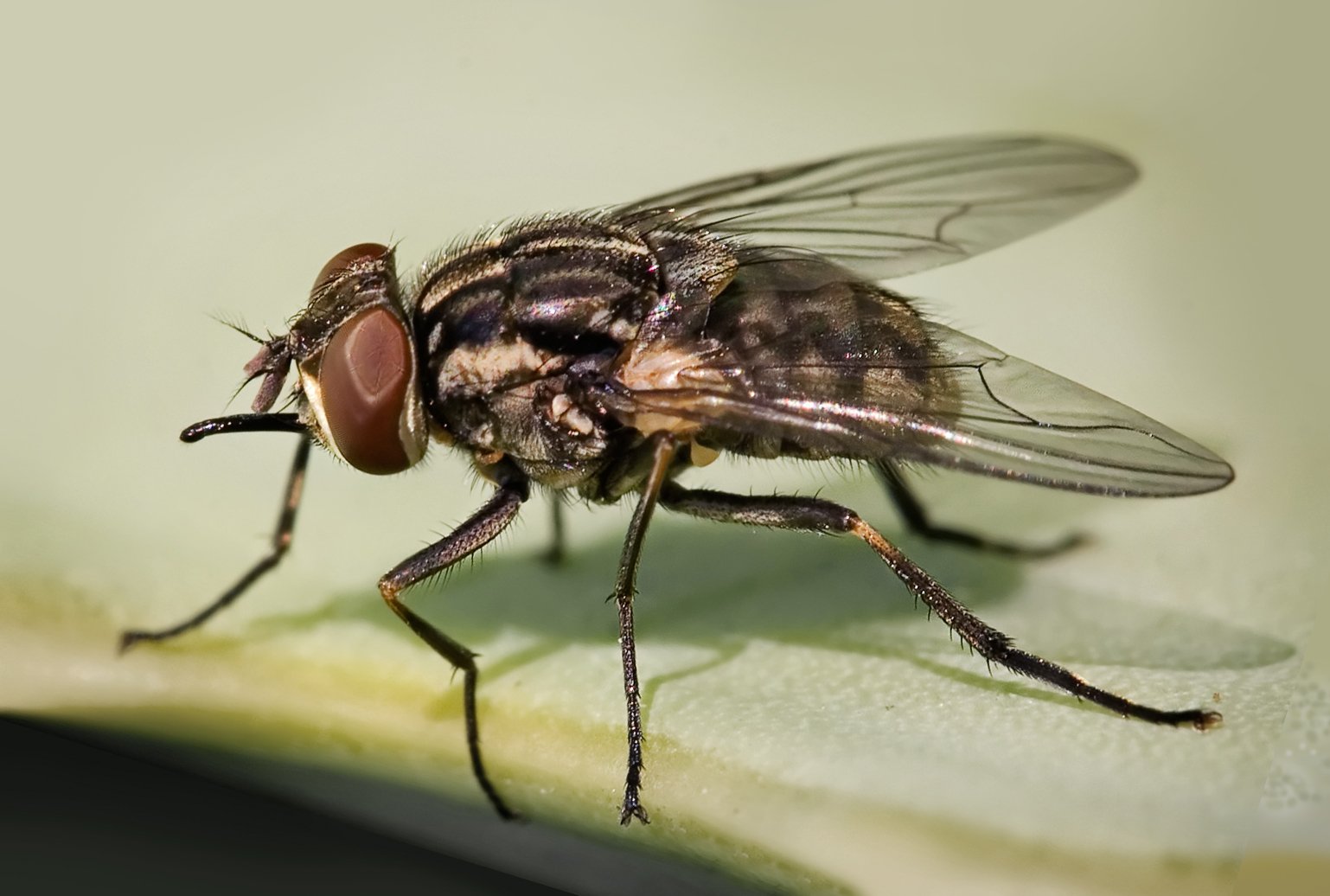
Stable fly (Stomoxys calcitrans) is a declared pest across those 15 areas. That declaration is not advisory. It creates a compliance obligation, and agritourism operators running farm stays, farm gate experiences or outdoor visitor activities within the declared zone need to treat it as a business-critical issue, not just a livestock welfare concern.
Why This Matters for Visitor-Facing Operations
Stable fly is a blood-feeding insect with a painful bite that targets livestock, pets and people. For an operator hosting paying visitors, a population of stable flies around animal enclosures, outdoor dining areas, or farm experience zones is a direct threat to the visitor experience and to repeat business and reviews. It can also indicate a property hygiene or waste management failure that may draw regulatory attention.
DPIRD Invasive Species and Environment Biosecurity Director Ron Shepherd notes that stable flies breed in rotting organic material including vegetable waste, grass clippings, manure, waste feed and old hay. Reducing that material reduces breeding sites. The control measures are practical and can be integrated into existing farm routines.
The Required Control Measures
DPIRD’s compliance guidance sets out the following actions for landholders in declared areas:
- Remove or treat organic waste, including vegetable waste, grass clippings, manure, waste feed and old hay, at least once a week.
- After any harvest, clean up waste vegetation within two days. Either bury it deeply, or if left on the soil, turn off irrigation and mulch it into small pieces to accelerate drying.
- Feed animals on hard-stands or in troughs to keep feed off the soil. If ground feeding is unavoidable, lay feed in long thin lines to minimise trampling and contamination.
These are minimum standards, not optional best practice, for operators in the declared zones.
Check Whether Your Property Is in the Declared Zone
Stable fly is a declared pest in the City of Armadale, City of Cockburn, City of Kwinana, City of Rockingham, City of Swan and City of Wanneroo, and the Shires of Capel, Chittering, Dandaragan, Gingin, Harvey, Kalamunda, Serpentine-Jarrahdale and Victoria Plains, as well as part of the Shire of Murray.
Operators on the urban-rural fringe of Perth, particularly those in the horticultural corridors of the Swan Valley, Chittering Valley, Harvey and Capel, should verify their LGA status and confirm they have a current waste management plan that meets DPIRD’s requirements under the updated Stable Fly Management Plan.
Operators outside these 15 areas are not subject to the declaration but should note that stable fly can still affect animal welfare and visitor comfort, and that proactive management practices carry no downside.
Resourcing and Further Guidance
DPIRD has updated its Stable Fly Management Plan and provides detailed guidance at dpird.wa.gov.au/stablefly. Media enquiries can be directed to Jodie Thomson at Jodie.Thomson@dpird.wa.gov.au or Megan Broad at Megan.Broad@dpird.wa.gov.au, both reachable on (08) 9368 3937.
Operators who run livestock-adjacent visitor experiences, including trail rides, farm animal encounters, shearing demonstrations or outdoor farm dinners, should audit their organic waste management now, before peak summer visitor numbers arrive and before fly populations establish.