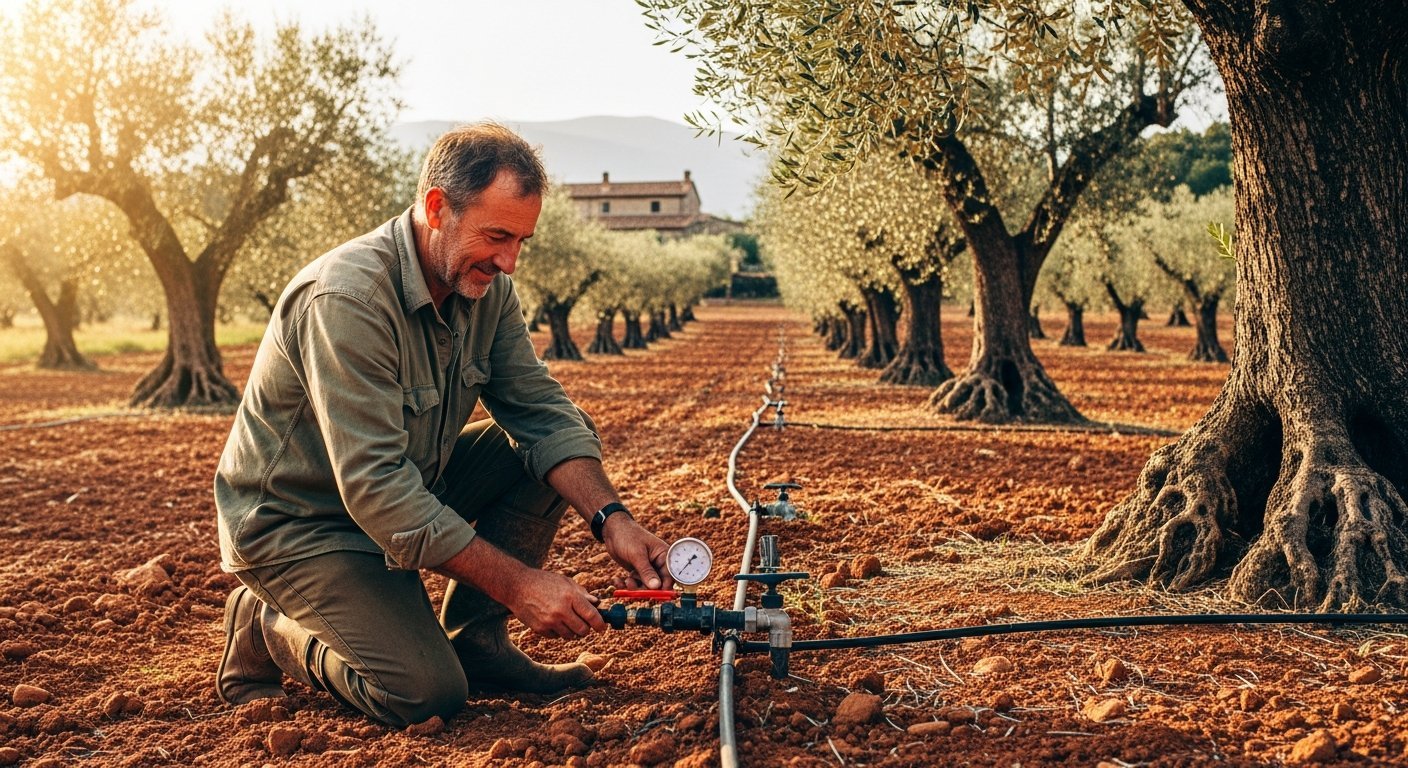
Severe drought conditions across Southern and Western Europe are compelling agritourism operators to restructure core business operations, including water sourcing, harvest scheduling, and guest service delivery, as national governments impose mandatory conservation measures on rural and agricultural properties.
Operational Disruptions Across Key European Regions
The European Environment Agency has issued warnings covering multiple high-value agritourism regions. Properties in Italy’s Tuscany, Emilia-Romagna, and Veneto, France’s Bordeaux, Burgundy, and Provence, Spain’s Andalusia, Catalonia, and Valencia, Germany’s Rhine Valley, and Croatia’s Istria and Dalmatian coast are all operating under water stress conditions as of August 2026.
The disruptions are not confined to crop yields. Agritourism businesses are being directly affected across multiple revenue streams:
- Farm stay operations are subject to mandatory guest water restrictions enforced at the municipal level, requiring properties to install infrastructure such as smart shower restrictors and greywater recycling systems.
- Vineyard harvest windows have shifted, with elevated temperatures accelerating grape and olive maturation cycles by several weeks. Operators running harvest festival events or tour programs tied to seasonal calendars have had to adjust booking schedules at short notice.
- Farm-to-table dining programs reliant on consistent on-property or locally sourced produce are experiencing supply inconsistency as irrigation limits reduce yields across the region.
- River-based tourism operations in Germany’s Rhine Valley are being rerouted to land transfers where low water levels restrict vessel movement, disrupting packaged itineraries and adding unplanned logistical costs.
Regulatory and Infrastructure Pressure
National ministries of agriculture and environmental protection across the affected countries are requiring agritourism properties and wineries to revise both their seasonal operating calendars and their input sourcing models. The shift is regulatory, not voluntary. Operators who rely on consistent water access for guest amenities, irrigation, or food production are being compelled to demonstrate compliance with water management policy as a condition of continued operation.
The broader pattern signals a structural recalibration rather than a temporary disruption. Properties that have not yet invested in water-efficient infrastructure face both compliance risk and guest experience deterioration simultaneously.
What This Means for WA Operators
Western Australian agritourism operators are not facing the same regulatory environment as their European counterparts, but the operational pressures described in this report are not foreign to most WA rural properties. Drought management, water sourcing constraints, and seasonal harvest variability are established realities across the wheatbelt, South West, and Great Southern regions. In many respects, WA operators already hold practical experience that European agritourism businesses are only now being forced to develop.
That said, the European situation surfaces several areas worth reviewing on WA properties:
- Water infrastructure documentation: If your operation hosts guests and relies on scheme water, bore water, or rainwater harvesting, confirm that your current capacity is formally documented and that contingency arrangements exist for low-supply periods. Water availability directly affects the guest experience offerings you can reliably promise in marketing and booking agreements.
- Harvest-linked programming: Operators who build events, tours, or packaged experiences around specific harvest windows — grapes, stone fruit, olives, lavender — should assess how much schedule flexibility is built into their booking terms. A harvest that arrives two to four weeks early due to a hot season can strand guests who booked for a specific experience. Clear cancellation and substitution policies protect both parties.
- Guest-facing conservation messaging: European operators are now managing the reputational and logistical challenge of enforcing water restrictions on guests mid-stay. WA operators in water-constrained locations may benefit from pre-arrival communication that frames conservation measures as part of the authentic rural experience rather than a deficiency of service. The framing matters for reviews and repeat visitation.
- Dry-farming and low-input production: Some European vineyards are accelerating a shift to dry-farming methods in response to irrigation limits. WA operators growing produce for on-property use or farm-gate sales in low-rainfall zones may find commercial or reputational value in positioning existing low-input practices as a marketable attribute rather than a constraint.
The transferable lesson here is primarily one of formalisation. WA operators have often managed these pressures informally for years. The European experience suggests that as climate variability intensifies and regulatory scrutiny increases, having documented systems, flexible booking structures, and guest communication frameworks in place becomes a business continuity requirement rather than a best-practice aspiration.