A County Durham farm operation combining a working farm shop with an on-site restaurant has accumulated more than 800 Google reviews and a 4.5-star rating, demonstrating the revenue potential of stacking complementary experiences on a single property.
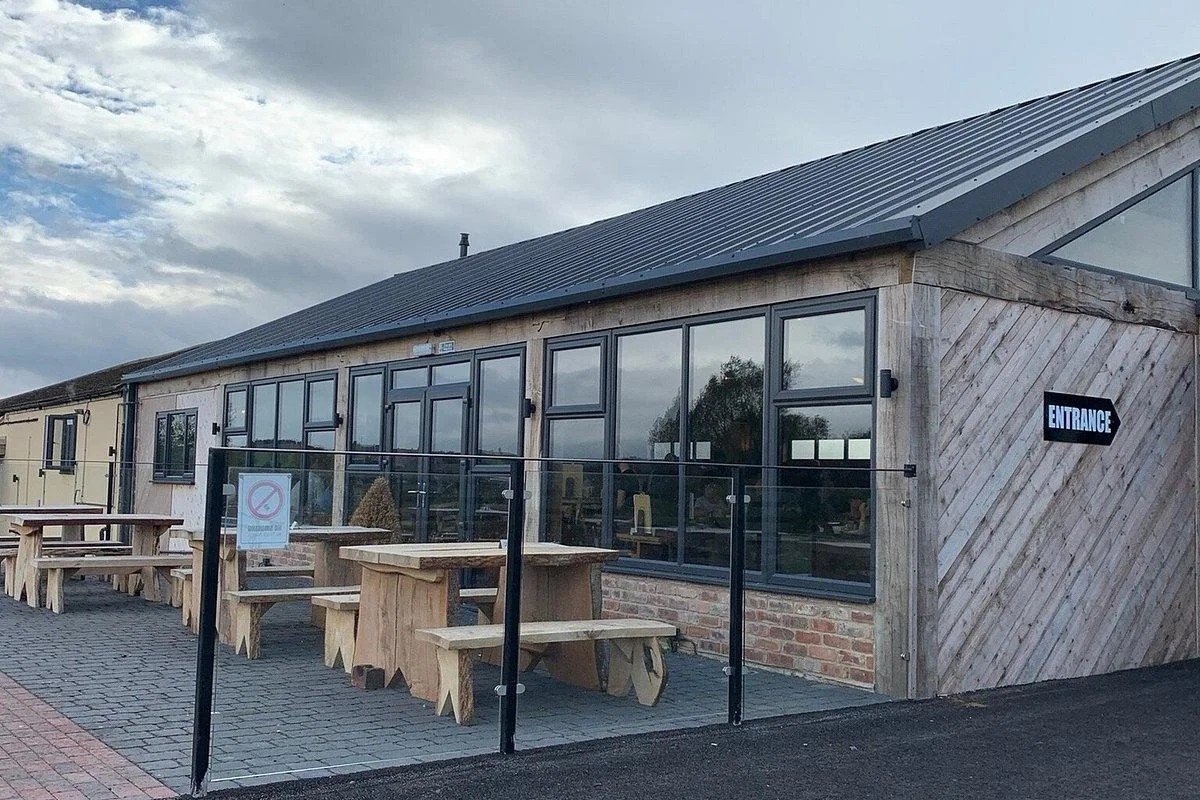
Broom Mill Farm Shop and Mill Kitchen Restaurant, located near West Auckland in northeast England, sells fresh meat, eggs, bread and local produce through its farm shop while running a separate restaurant offering breakfasts, Sunday lunches and casual meals. The two components share a site, allowing visitors to eat a meal and then purchase produce from the shop in a single visit.
The Business Model
The operation illustrates a layered yield strategy: a visitor who arrives for a restaurant meal becomes a farm shop customer, and a farm shop customer may return for a meal. One reviewer noted she was already a repeat visitor after just two visits, citing the shop’s produce and the restaurant atmosphere as separate draws. Another returned after 17 years and commented on how significantly the business had developed in that time.
The restaurant’s covered outdoor seating accommodates visitors with dogs, a deliberate design choice that broadens the eligible customer base and extends usable trading hours into cooler or wetter conditions.
The Role of the Animals
Highland cattle on the property are referenced repeatedly in customer reviews as a draw in their own right, distinct from the food offering. One visitor described the experience of watching Highland cows paddle in a pond from the outdoor dining area. Another wrote that “seeing the coos makes my day.”
This is a measurable observation about visitor psychology: the presence of photogenic, accessible livestock functions as an experience layer that costs the operator little incrementally once the animals are part of the working property. Reviews suggest the cattle are contributing to repeat visitation and positive word-of-mouth independently of the food or retail offer.
Pricing and Market Positioning
One reviewer from Surrey noted paying approximately 20 pounds per person, which she described as roughly half what she would expect to pay in her home region for comparable food. The operation is positioned as accessible and family-friendly rather than premium, with volume and repeat custom appearing to underpin the model rather than high per-head spend.
What This Means for WA Operators
The Broom Mill model is directly transferable in structure, if not in detail. WA agritourism operators running farm shops, farm gates or produce stalls should examine whether an on-site food service, even a basic one, would meaningfully increase dwell time and total spend per visit. A visitor who arrives to buy eggs and stays for a meal is worth considerably more to the business than one who completes a transaction and leaves.
The cattle observation is worth taking seriously. WA operators with photogenic or unusual livestock, including heritage breeds, working dogs, alpacas or native animals on rural properties, should consider whether those animals are visible and accessible to visitors in a structured way, and whether that visibility is being captured in marketing materials or left to chance.
The covered outdoor seating detail is also relevant in a WA context. Operators in the South West, Great Southern or Wheatbelt regions dealing with hot summers, coastal wind or occasional winter rain should assess whether their current infrastructure limits the trading window. A covered outdoor area with shade cloth or a pergola structure can extend viable operating hours across seasons.
The volume of reviews (800-plus on Google alone) reflects a deliberate or well-managed review culture. WA operators should have a clear process for prompting satisfied visitors to leave a review at the point of departure. Review volume at this scale does not happen passively.
WAAA’s member forum and mentorship program exist precisely to help WA operators pressure-test diversification ideas like these before committing capital. If you are considering adding a food service component or restructuring your visitor flow, connecting with operators who have already done it is a faster and cheaper path than starting from scratch. Membership is how that network gets built and maintained.